Blab News
Canadas Inflation Rises to 2.8% as Energy Prices Surge, Housing Market Rebounds After Price Decline
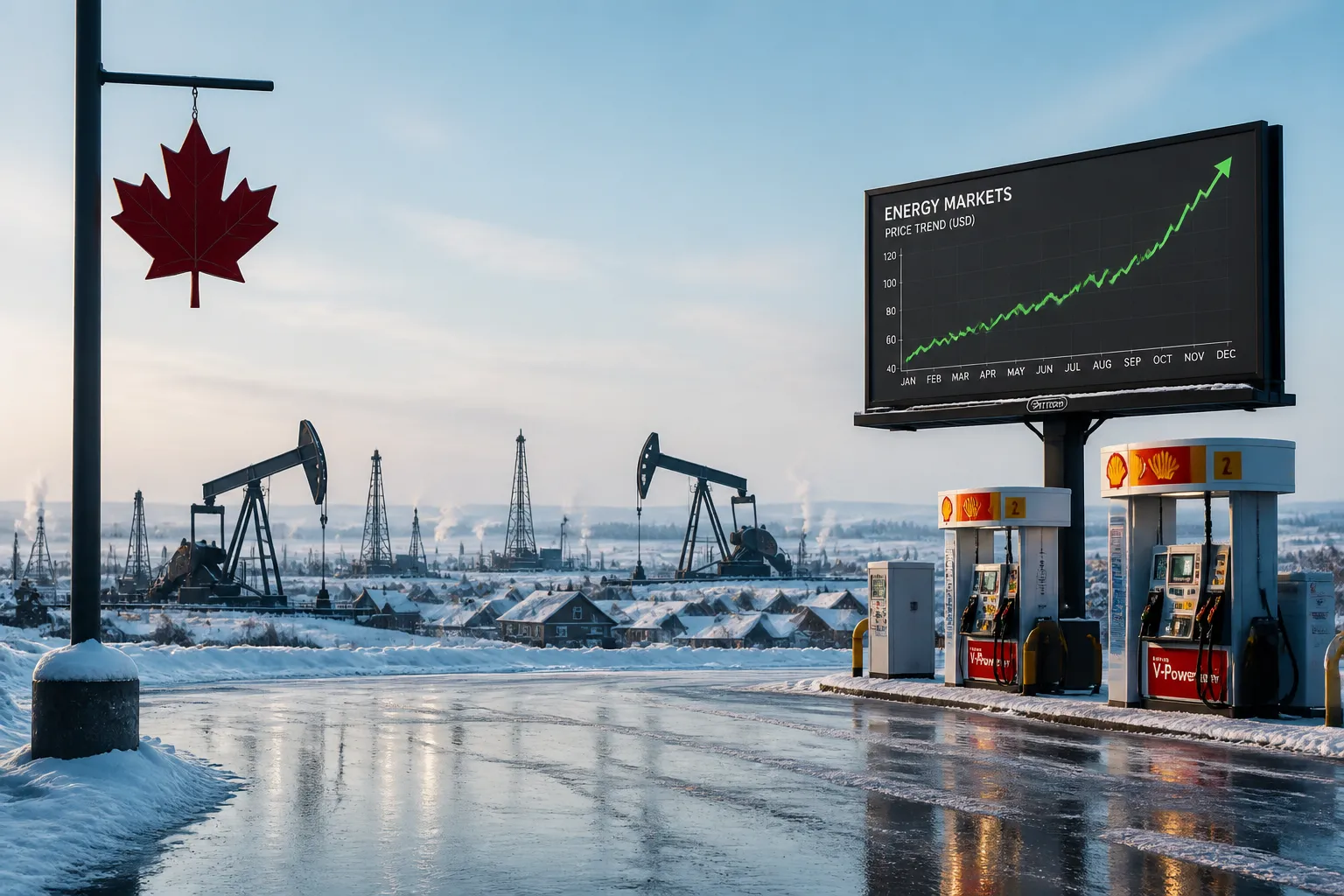
When the April inflation data arrived, Canadians felt the sting of rising gasoline costs more acutely than ever before. Statistics Canada reported a 2.8% climb in the consumer price index, the highest level in two years. The jump is largely driven by a 19.2% increase in gasoline prices, the biggest single component of the inflation basket.
The Bank of Canada keeps its overnight policy rate unchanged at 2.25%. While the central bank has not signaled an immediate move, market expectations for a rate hike in the coming months have intensified. The bank’s latest policy statement acknowledges that inflation remains above the 2% target but stresses that it will continue to monitor energy prices and the broader economy before deciding on further action.
Mortgage rates have stayed near historic lows, keeping borrowing attractive for home buyers. As of mid‑June, five‑year fixed‑rate mortgages hover just over 4%, while variable‑rate loans trade around 3.5%. The narrow gap between the inflation rate and mortgage rates means that the cost of borrowing is still lower than the rate at which prices are rising, which has helped stabilize the housing market. Housing prices, which fell 10% last year and between 20% and 33% over the past three years depending on the market, are now showing signs of recovery. In several major cities, price declines have moderated and new listings have increased, signaling a gradual rebound.
Consumer savings rates remain low. The highest interest rate on a five‑year deposit offered by major banks is 3.6%, with most institutions offering 3% or less. Many Canadians keep their money in guaranteed investment certificates (GICs) that provide little or no return after taxes. The low‑yield environment has constrained the growth of household savings.
The rise in energy prices is linked to global supply disruptions. The ongoing conflict in the Middle East has tightened oil and gas markets, pushing prices higher and contributing to inflationary pressure in Canada and the United States. U.S. inflation has reached 4.2% in recent months, driven primarily by energy costs.
In Washington, the Federal Reserve’s policy meeting was split: half of the governors signaled support for a rate increase, reflecting concerns about the persistence of inflation in the United States, even as the administration has advocated for rate cuts.
The Canadian government has not indicated that it will follow the United States in tightening monetary policy. The economy is described as flat‑lining, and trade relations with the United States are under strain, which could lead to increased tariff costs. The Bank of Canada has stated that it will avoid actions that could trigger a recession.
International developments have also influenced domestic markets. The Iran nuclear deal remains fragile, and the United States has expressed concerns about the potential for increased sanctions relief for Iran. The conflict in the region has had a ripple effect on global commodity prices.
The housing market’s recent rebound is partially attributed to the combination of falling prices and low, stable financing. The Canadian Mortgage and Housing Corporation has reported that the decline in home prices has helped stimulate sales activity.
In summary, Canada’s inflation rate has risen to 2.8% in April, largely due to higher gasoline prices. Mortgage rates remain low, supporting a modest recovery in the housing market. Savings rates are low, limiting household wealth growth. The Bank of Canada has not yet changed its policy rate, but market expectations for a future hike have increased. Energy prices continue to be a key driver of inflation, with global supply disruptions linked to Middle Eastern conflicts. The United States is experiencing higher inflation and a divided Federal Reserve, while Canada’s trade and economic conditions suggest a cautious approach to monetary policy.
The situation remains fluid. The Bank of Canada will likely keep its policy rate unchanged in the short term, but a future rate increase cannot be ruled out if inflationary pressures persist. The housing market is expected to continue its gradual recovery, while savings rates are unlikely to rise significantly without changes in monetary policy or economic growth.
The Canadian government and the Bank of Canada will monitor inflation, energy prices, and the housing market closely. The next policy decision is expected in the coming months, and the outcome will influence mortgage rates, consumer spending, and the broader economy.
The Bank of Canada keeps its overnight policy rate unchanged at 2.25%. While the central bank has not signaled an immediate move, market expectations for a rate hike in the coming months have intensified. The bank’s latest policy statement acknowledges that inflation remains above the 2% target but stresses that it will continue to monitor energy prices and the broader economy before deciding on further action.
Mortgage rates have stayed near historic lows, keeping borrowing attractive for home buyers. As of mid‑June, five‑year fixed‑rate mortgages hover just over 4%, while variable‑rate loans trade around 3.5%. The narrow gap between the inflation rate and mortgage rates means that the cost of borrowing is still lower than the rate at which prices are rising, which has helped stabilize the housing market. Housing prices, which fell 10% last year and between 20% and 33% over the past three years depending on the market, are now showing signs of recovery. In several major cities, price declines have moderated and new listings have increased, signaling a gradual rebound.
Consumer savings rates remain low. The highest interest rate on a five‑year deposit offered by major banks is 3.6%, with most institutions offering 3% or less. Many Canadians keep their money in guaranteed investment certificates (GICs) that provide little or no return after taxes. The low‑yield environment has constrained the growth of household savings.
The rise in energy prices is linked to global supply disruptions. The ongoing conflict in the Middle East has tightened oil and gas markets, pushing prices higher and contributing to inflationary pressure in Canada and the United States. U.S. inflation has reached 4.2% in recent months, driven primarily by energy costs.
In Washington, the Federal Reserve’s policy meeting was split: half of the governors signaled support for a rate increase, reflecting concerns about the persistence of inflation in the United States, even as the administration has advocated for rate cuts.
The Canadian government has not indicated that it will follow the United States in tightening monetary policy. The economy is described as flat‑lining, and trade relations with the United States are under strain, which could lead to increased tariff costs. The Bank of Canada has stated that it will avoid actions that could trigger a recession.
International developments have also influenced domestic markets. The Iran nuclear deal remains fragile, and the United States has expressed concerns about the potential for increased sanctions relief for Iran. The conflict in the region has had a ripple effect on global commodity prices.
The housing market’s recent rebound is partially attributed to the combination of falling prices and low, stable financing. The Canadian Mortgage and Housing Corporation has reported that the decline in home prices has helped stimulate sales activity.
In summary, Canada’s inflation rate has risen to 2.8% in April, largely due to higher gasoline prices. Mortgage rates remain low, supporting a modest recovery in the housing market. Savings rates are low, limiting household wealth growth. The Bank of Canada has not yet changed its policy rate, but market expectations for a future hike have increased. Energy prices continue to be a key driver of inflation, with global supply disruptions linked to Middle Eastern conflicts. The United States is experiencing higher inflation and a divided Federal Reserve, while Canada’s trade and economic conditions suggest a cautious approach to monetary policy.
The situation remains fluid. The Bank of Canada will likely keep its policy rate unchanged in the short term, but a future rate increase cannot be ruled out if inflationary pressures persist. The housing market is expected to continue its gradual recovery, while savings rates are unlikely to rise significantly without changes in monetary policy or economic growth.
The Canadian government and the Bank of Canada will monitor inflation, energy prices, and the housing market closely. The next policy decision is expected in the coming months, and the outcome will influence mortgage rates, consumer spending, and the broader economy.