Blab News
Federal Judge Orders Release of Milwaukee Muslim Leader After 80 Days in ICE Detention
After 80 days behind bars, Salah Sarsour, the president of the Islamic Society of Milwaukee, walked free on Thursday, June 17, 2026. The release came after a 29‑page order from U.S. District Judge James P. Hanlon, who found that Sarsour’s detention was likely retaliatory for his protected political speech.
Sarsour was taken into custody by Immigration and Customs Enforcement on March 30, 2026, in Milwaukee. The Department of Homeland Security charged him with “funding terror organizations and lying on immigration forms,” allegations that stemmed from a conviction he received in an Israeli military court more than thirty years ago. Family members and supporters argue the charges were fabricated and that the arrest was a pretext to target Sarsour because of his advocacy for Palestinian rights.
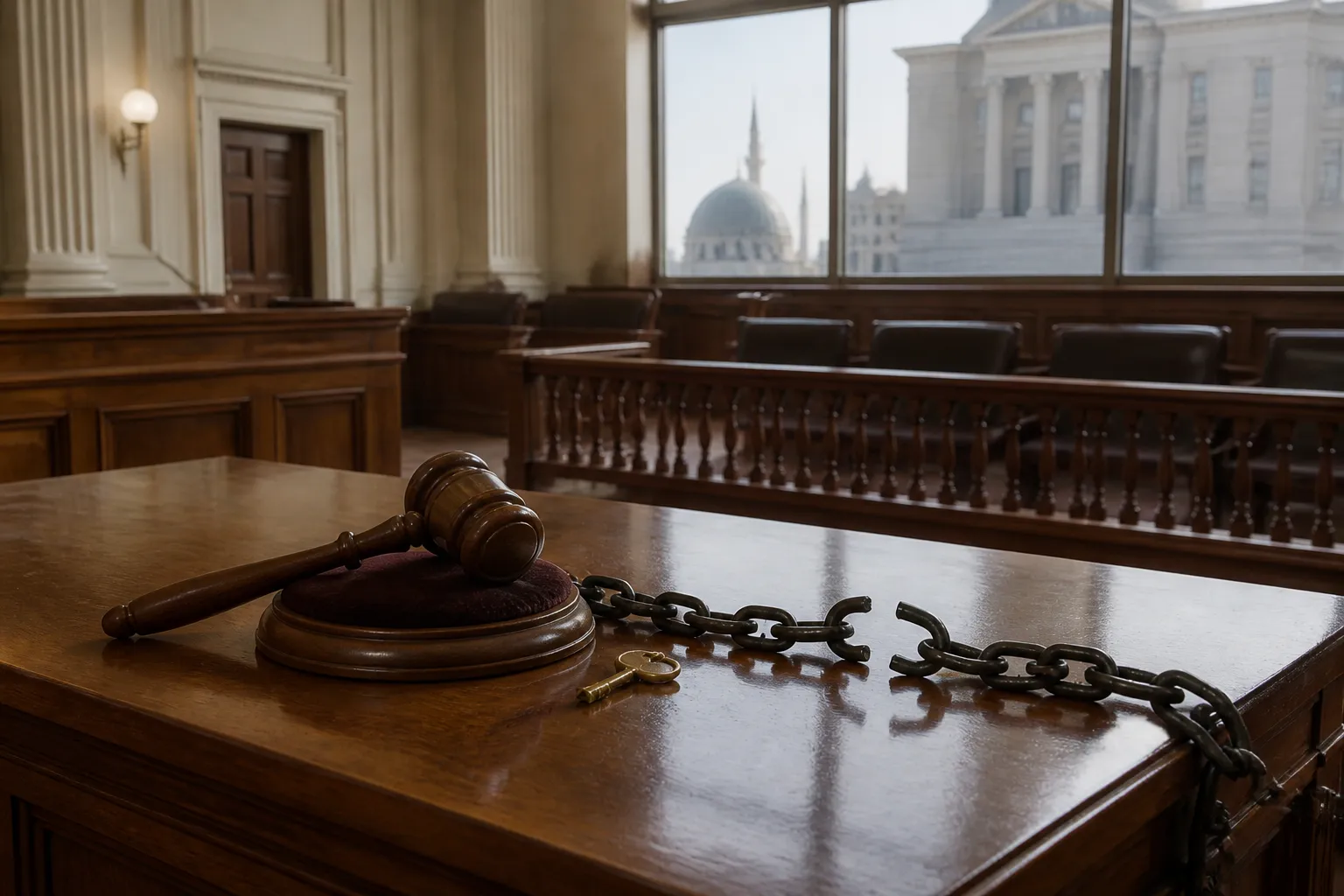
In his order, Judge Hanlon—appointed by former President Donald Trump—concluded that Sarsour possessed a “substantial First Amendment retaliation claim.” He noted that the evidence could render the detention unlawful and, therefore, directed the court to release Sarsour pending the outcome of a habeas corpus petition. The petition, filed by Sarsour’s attorneys, asks the federal government to prove that his detention is lawful. While the release clears him from jail, he remains subject to an active immigration case in which the government seeks to deport him.
The 80 days at the Clay County Jail in Indiana took a toll on Sarsour’s health. Attorneys reported that he lost 35 pounds, developed foot ulcers, and did not receive adequate treatment for diabetes. He also missed the birth of his youngest grandchild. Family members described the period as one of constant stress and sleepless nights.
Sarsour’s release was met with relief and celebration in the local Muslim community. At a Friday prayer gathering at the Islamic Society of Milwaukee, he thanked his family, friends, and supporters. “I am back to continue serving the community,” he said. He also announced plans for meetings on Monday to discuss future community initiatives.
The case drew swift support from elected officials at both the city and national levels. The Milwaukee Common Council and the Milwaukee County Board of Supervisors passed resolutions condemning Sarsour’s detention and calling for his release. Rep. Gwen Moore, along with Senators Tammy Baldwin, Bernie Sanders, and Chris Van Hollen, sent letters to the Trump administration demanding that Sarsour be released.
Sarsour’s release is part of a broader pattern that critics say targets political dissidents and pro‑Palestinian activists. Human rights groups have highlighted the lack of medical care for detainees and the use of pretextual charges to justify arrests.
While the judge’s decision clears Sarsour from jail, it does not end the legal proceedings. The habeas corpus petition and the deportation case will continue in federal court. The outcome of those cases will determine whether Sarsour can remain in the United States.
Sarsour’s legal team described the judge’s ruling as a vindication of the U.S. judicial system’s ability to protect constitutional rights. It also underscores the ongoing debate over ICE’s detention practices and the treatment of political activists in federal custody.
Sarsour was taken into custody by Immigration and Customs Enforcement on March 30, 2026, in Milwaukee. The Department of Homeland Security charged him with “funding terror organizations and lying on immigration forms,” allegations that stemmed from a conviction he received in an Israeli military court more than thirty years ago. Family members and supporters argue the charges were fabricated and that the arrest was a pretext to target Sarsour because of his advocacy for Palestinian rights.
In his order, Judge Hanlon—appointed by former President Donald Trump—concluded that Sarsour possessed a “substantial First Amendment retaliation claim.” He noted that the evidence could render the detention unlawful and, therefore, directed the court to release Sarsour pending the outcome of a habeas corpus petition. The petition, filed by Sarsour’s attorneys, asks the federal government to prove that his detention is lawful. While the release clears him from jail, he remains subject to an active immigration case in which the government seeks to deport him.
The 80 days at the Clay County Jail in Indiana took a toll on Sarsour’s health. Attorneys reported that he lost 35 pounds, developed foot ulcers, and did not receive adequate treatment for diabetes. He also missed the birth of his youngest grandchild. Family members described the period as one of constant stress and sleepless nights.
Sarsour’s release was met with relief and celebration in the local Muslim community. At a Friday prayer gathering at the Islamic Society of Milwaukee, he thanked his family, friends, and supporters. “I am back to continue serving the community,” he said. He also announced plans for meetings on Monday to discuss future community initiatives.
The case drew swift support from elected officials at both the city and national levels. The Milwaukee Common Council and the Milwaukee County Board of Supervisors passed resolutions condemning Sarsour’s detention and calling for his release. Rep. Gwen Moore, along with Senators Tammy Baldwin, Bernie Sanders, and Chris Van Hollen, sent letters to the Trump administration demanding that Sarsour be released.
Sarsour’s release is part of a broader pattern that critics say targets political dissidents and pro‑Palestinian activists. Human rights groups have highlighted the lack of medical care for detainees and the use of pretextual charges to justify arrests.
While the judge’s decision clears Sarsour from jail, it does not end the legal proceedings. The habeas corpus petition and the deportation case will continue in federal court. The outcome of those cases will determine whether Sarsour can remain in the United States.
Sarsour’s legal team described the judge’s ruling as a vindication of the U.S. judicial system’s ability to protect constitutional rights. It also underscores the ongoing debate over ICE’s detention practices and the treatment of political activists in federal custody.