Blab News
Angel Reese and Caitlin Clark: From NCAA Final to WNBA Showdowns
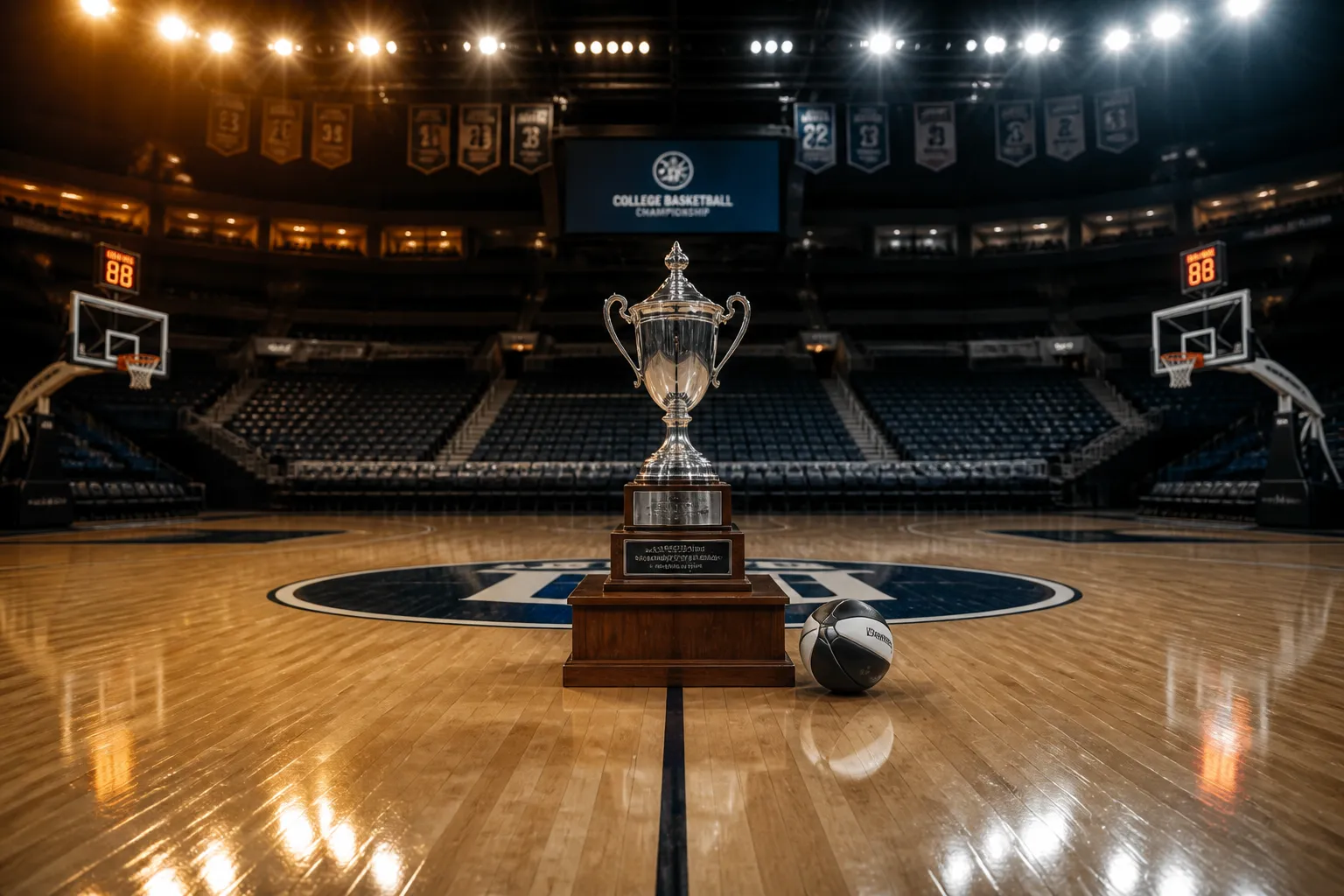
In the electric atmosphere of the 2023 NCAA Women’s Basketball Championship, a single gesture sent shockwaves through the sport and set the stage for a rivalry that would carry over into the WNBA. With the nation watching, LSU’s Angel Reese and Iowa’s Caitlin Clark stole the spotlight in the fourth quarter when Reese mirrored a popular pop‑culture reference with a hand‑wave directed at Clark. The move, later dubbed a “You Can’t See Me” wave by fans, was instantly captured and shared across social media, sparking a flurry of commentary from analysts, fans, and the programs involved.
Reese had already guided LSU to its first national title and earned the tournament’s Most Outstanding Player honors. Clark, meanwhile, finished the season as the top‑scoring guard in NCAA history and led Iowa to a 38‑game winning streak. Though the gesture lasted only a moment, the reaction was extensive. Commentators debated whether such displays were appropriate in a championship setting, and the incident became a talking point that would linger for years.
The story did not end there. Both athletes were drafted into the WNBA in 2024: Clark went first overall to the Indiana Fever, while Reese was selected seventh overall by the Chicago Sky. Two years later, Reese was traded to the Atlanta Dream, placing her in the same conference as Clark’s Fever. The two teams have met multiple times during the 2024 season, with the most notable clash occurring at Gainbridge Fieldhouse on June 1. In that game, a hard foul by Chicago’s Chennedy Carter on Clark drew attention and led to a brief exchange of words between the players. Clark, known for her composure on the court, did not react publicly beyond a brief acknowledgment.
In the following matchup between the Dream and the Fever, the rivalry’s on‑court intensity was again evident. Dream head coach Karl Smesko described the game as having “playoff intensity,” and both players were involved in a series of contact plays that resulted in fouls and defensive exchanges. Clark’s shooting range and playmaking were on full display, while Reese’s rebounding prowess remained a key factor for the Dream.
Off the court, the two athletes have largely maintained separate public personas. Clark has largely avoided direct commentary on Reese, choosing instead to focus on her performance and the Fever’s season objectives. Reese, meanwhile, has been active on social media, posting highlights and engaging with fans. Neither player has made public statements that directly address the 2023 incident, and no formal disciplinary action has been taken by the NCAA or the WNBA.
The rivalry between Reese and Clark illustrates how a single moment can shape narratives in professional sports. While the 2023 gesture sparked debate, the players’ subsequent performances in the WNBA have kept the focus on their athletic achievements. As the 2024 season continues, both teams are expected to meet again, providing additional opportunities for the two stars to showcase their skills.
The broader implications for women’s basketball include increased media attention on player conduct and the role of social media in shaping public perception. The WNBA has reiterated its commitment to maintaining a respectful environment for all participants, and both teams have emphasized sportsmanship in recent press conferences.
For now, the rivalry remains a point of interest for fans and analysts alike, but it has not yet translated into a sustained conflict. The focus for both players appears to be on their respective teams’ success and the growing visibility of the league.
Reese had already guided LSU to its first national title and earned the tournament’s Most Outstanding Player honors. Clark, meanwhile, finished the season as the top‑scoring guard in NCAA history and led Iowa to a 38‑game winning streak. Though the gesture lasted only a moment, the reaction was extensive. Commentators debated whether such displays were appropriate in a championship setting, and the incident became a talking point that would linger for years.
The story did not end there. Both athletes were drafted into the WNBA in 2024: Clark went first overall to the Indiana Fever, while Reese was selected seventh overall by the Chicago Sky. Two years later, Reese was traded to the Atlanta Dream, placing her in the same conference as Clark’s Fever. The two teams have met multiple times during the 2024 season, with the most notable clash occurring at Gainbridge Fieldhouse on June 1. In that game, a hard foul by Chicago’s Chennedy Carter on Clark drew attention and led to a brief exchange of words between the players. Clark, known for her composure on the court, did not react publicly beyond a brief acknowledgment.
In the following matchup between the Dream and the Fever, the rivalry’s on‑court intensity was again evident. Dream head coach Karl Smesko described the game as having “playoff intensity,” and both players were involved in a series of contact plays that resulted in fouls and defensive exchanges. Clark’s shooting range and playmaking were on full display, while Reese’s rebounding prowess remained a key factor for the Dream.
Off the court, the two athletes have largely maintained separate public personas. Clark has largely avoided direct commentary on Reese, choosing instead to focus on her performance and the Fever’s season objectives. Reese, meanwhile, has been active on social media, posting highlights and engaging with fans. Neither player has made public statements that directly address the 2023 incident, and no formal disciplinary action has been taken by the NCAA or the WNBA.
The rivalry between Reese and Clark illustrates how a single moment can shape narratives in professional sports. While the 2023 gesture sparked debate, the players’ subsequent performances in the WNBA have kept the focus on their athletic achievements. As the 2024 season continues, both teams are expected to meet again, providing additional opportunities for the two stars to showcase their skills.
The broader implications for women’s basketball include increased media attention on player conduct and the role of social media in shaping public perception. The WNBA has reiterated its commitment to maintaining a respectful environment for all participants, and both teams have emphasized sportsmanship in recent press conferences.
For now, the rivalry remains a point of interest for fans and analysts alike, but it has not yet translated into a sustained conflict. The focus for both players appears to be on their respective teams’ success and the growing visibility of the league.