Blab News
Greek Fishermen Launch Nationwide Campaign to Curb Invasive Silver-Cheeked Toadfish
In a coordinated effort to reduce the population of the invasive silver‑cheeked toadfish (Lagocephalus sceleratus) in the Aegean Sea, fishermen across Greece have begun a ten‑day competition that began on 20 June. The event, organised by Rhodes‑based amateur fisherman Michalis Karpodinis, invites both professional and recreational anglers to catch the toxic species and upload photographs and details to a dedicated Facebook page, Sea Safe Greece. Winners will receive fishing equipment and other prizes each week.
The silver‑cheeked toadfish entered Greek waters after the opening of the Suez Canal and through ships that did not comply with required safety measures. It is now widespread in shallow bays, seagrass beds and harbours throughout the Mediterranean. The species is highly poisonous, containing tetrodotoxin in its ovaries, skin, muscles and liver, and can be fatal if consumed. It has no natural predators in the local ecosystem and can lay up to one million eggs per year.
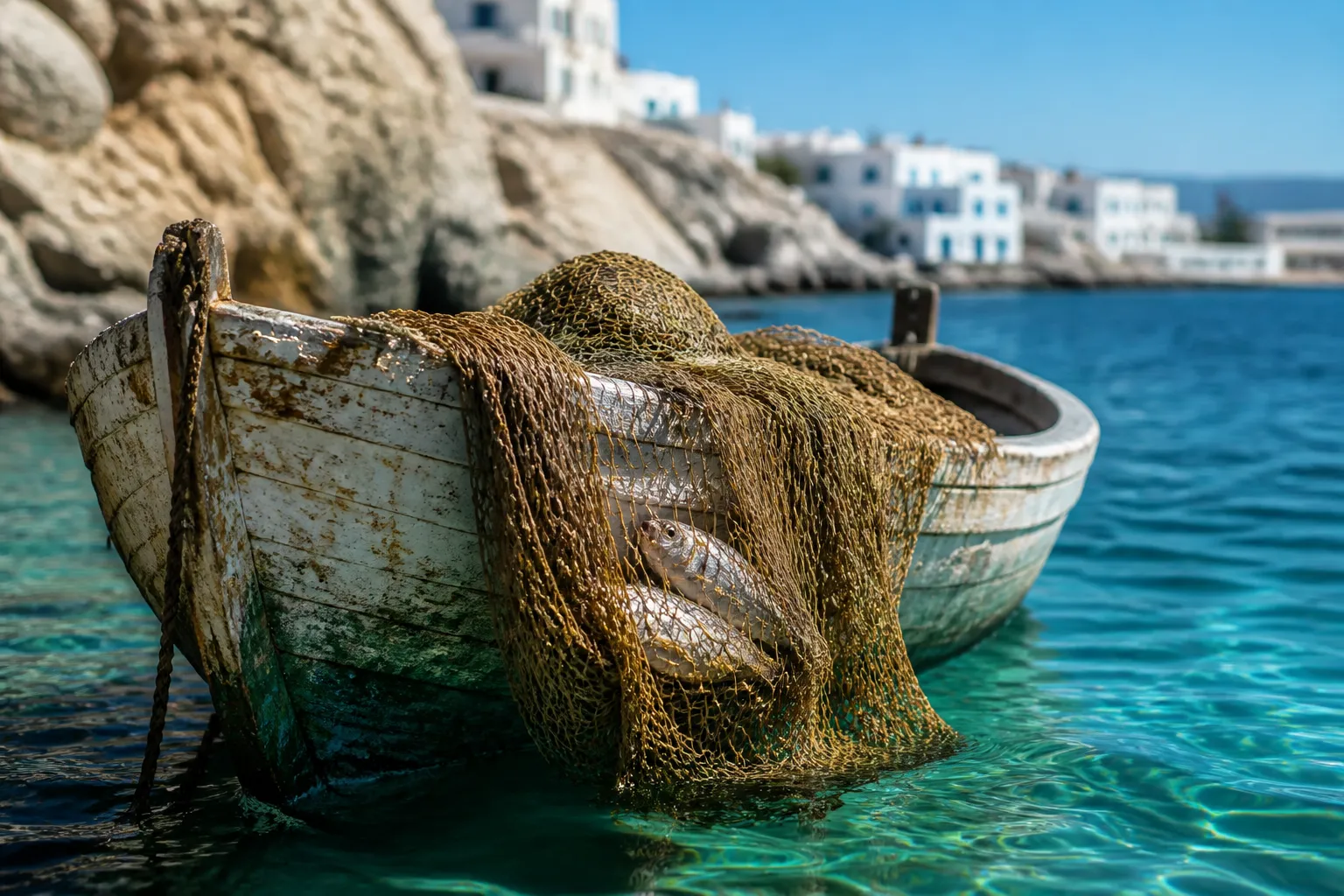
According to research by the Hellenic Centre for Marine Research, the average annual loss suffered by a Greek fisherman due solely to damage caused by the toadfish—through destruction of nets and theft of catches—exceeds €6,000. The Greek government is examining the possibility of subsidising the fishing of the species, offering a bounty of €6 per kilogram, a scheme that has already been piloted in Crete.
Local authorities are monitoring the competition closely. In Megisti, mayor Nikolas Asvestis has announced plans to organise a similar campaign on Kastellorizo. The toadfish’s altered behaviour has led to recorded attacks on swimmers, raising concerns for the tourism sector, which is a major part of Greece’s economy.
Marine biology experts have warned that without immediate action the species could devastate fish and mollusc populations that Mediterranean communities have relied on for millennia. The toadfish also tears fishing nets and lines, steals catches and reproduces rapidly, further threatening the livelihoods of fishermen.
In addition to the competition, scientific bodies are exploring alternative solutions. Some suggest subsidising fishermen not to target species that prey on the toadfish, such as garfish, leerfish, Mediterranean moray eel, loggerhead sea turtle and certain shark species. Others are researching the removal of tetrodotoxin to produce safe fishmeal, a project supported by the European Union‑funded Lagomeal programme and carried out by the Hellenic Centre for Marine Research, Demokritos University and other collaborators.
The Greek Ministry of Shipping and the Ministry of Rural Development and Food have expressed interest in using data from the competition to inform policy decisions. “The silver‑cheeked toadfish is not only a threat to fishermen,” Karpodinis said. “It threatens the entire economy connected to the sea.” He added that the initiative aims to raise awareness and protect the future of Greek waters.
While the government’s subsidy proposal remains under consideration, fishermen are taking matters into their own hands. The competition has already attracted tens of thousands of expressions of interest and has garnered more than half a million views on its Facebook page. Participants are encouraged to record the weight and location of each catch, providing valuable data for scientists and authorities.
The situation underscores the broader challenge of invasive species in the Mediterranean. The silver‑cheeked toadfish is one of several non‑native species that have established themselves in Greek marine ecosystems, including the invasive rabbitfish and the invasive arundo donax reed. The Greek government’s response will likely involve a combination of targeted fishing incentives, ecological research, and public awareness campaigns.
As the competition continues through 30 June, Greek authorities will monitor its impact on toadfish numbers and on the local fishing industry. The outcome of the pilot subsidy in Crete and the potential expansion of similar campaigns to other islands will shape future policy. The Greek government’s next steps will determine whether the country can curb the spread of this dangerous species while safeguarding its marine economy.
The silver‑cheeked toadfish entered Greek waters after the opening of the Suez Canal and through ships that did not comply with required safety measures. It is now widespread in shallow bays, seagrass beds and harbours throughout the Mediterranean. The species is highly poisonous, containing tetrodotoxin in its ovaries, skin, muscles and liver, and can be fatal if consumed. It has no natural predators in the local ecosystem and can lay up to one million eggs per year.
According to research by the Hellenic Centre for Marine Research, the average annual loss suffered by a Greek fisherman due solely to damage caused by the toadfish—through destruction of nets and theft of catches—exceeds €6,000. The Greek government is examining the possibility of subsidising the fishing of the species, offering a bounty of €6 per kilogram, a scheme that has already been piloted in Crete.
Local authorities are monitoring the competition closely. In Megisti, mayor Nikolas Asvestis has announced plans to organise a similar campaign on Kastellorizo. The toadfish’s altered behaviour has led to recorded attacks on swimmers, raising concerns for the tourism sector, which is a major part of Greece’s economy.
Marine biology experts have warned that without immediate action the species could devastate fish and mollusc populations that Mediterranean communities have relied on for millennia. The toadfish also tears fishing nets and lines, steals catches and reproduces rapidly, further threatening the livelihoods of fishermen.
In addition to the competition, scientific bodies are exploring alternative solutions. Some suggest subsidising fishermen not to target species that prey on the toadfish, such as garfish, leerfish, Mediterranean moray eel, loggerhead sea turtle and certain shark species. Others are researching the removal of tetrodotoxin to produce safe fishmeal, a project supported by the European Union‑funded Lagomeal programme and carried out by the Hellenic Centre for Marine Research, Demokritos University and other collaborators.
The Greek Ministry of Shipping and the Ministry of Rural Development and Food have expressed interest in using data from the competition to inform policy decisions. “The silver‑cheeked toadfish is not only a threat to fishermen,” Karpodinis said. “It threatens the entire economy connected to the sea.” He added that the initiative aims to raise awareness and protect the future of Greek waters.
While the government’s subsidy proposal remains under consideration, fishermen are taking matters into their own hands. The competition has already attracted tens of thousands of expressions of interest and has garnered more than half a million views on its Facebook page. Participants are encouraged to record the weight and location of each catch, providing valuable data for scientists and authorities.
The situation underscores the broader challenge of invasive species in the Mediterranean. The silver‑cheeked toadfish is one of several non‑native species that have established themselves in Greek marine ecosystems, including the invasive rabbitfish and the invasive arundo donax reed. The Greek government’s response will likely involve a combination of targeted fishing incentives, ecological research, and public awareness campaigns.
As the competition continues through 30 June, Greek authorities will monitor its impact on toadfish numbers and on the local fishing industry. The outcome of the pilot subsidy in Crete and the potential expansion of similar campaigns to other islands will shape future policy. The Greek government’s next steps will determine whether the country can curb the spread of this dangerous species while safeguarding its marine economy.