Blab News
U.S. Commerce Order Forces Anthropic to Suspend Access to Fable 5 and Mythos 5 for Foreign Nationals
On June 12, 2026, the U.S. Department of Commerce issued a letter to Anthropic PBC that bars foreign nationals from using its Fable 5 and Mythos 5 large‑language models unless the company first secures a U.S. export‑control license. The directive, signed by Commerce Secretary Howard Lutnick, expands U.S. export‑control laws to cover the very act of cloud‑based AI usage.
The order follows a brief executive order from President Donald Trump that had set out a voluntary framework for companies to vet AI models for national‑security risks. Bloomberg News reported the letter, which now treats the two models as a technology transfer that requires U.S. approval. The Bureau of Industry and Security (BIS) has long required companies to obtain a license before sharing sensitive technology with foreign employees—a process known as a “deemed export.” Applying that rule to AI usage is unprecedented.
In the letter, Lutnick cites two U.S. statutes that give the government the authority to impose license requirements on emerging technologies that could be used by adversarial militaries. The first allows the President to impose interim restrictions on emerging technologies, and the second permits rapid licensing to prevent controlled technology from reaching military intelligence users in countries such as China or Russia.
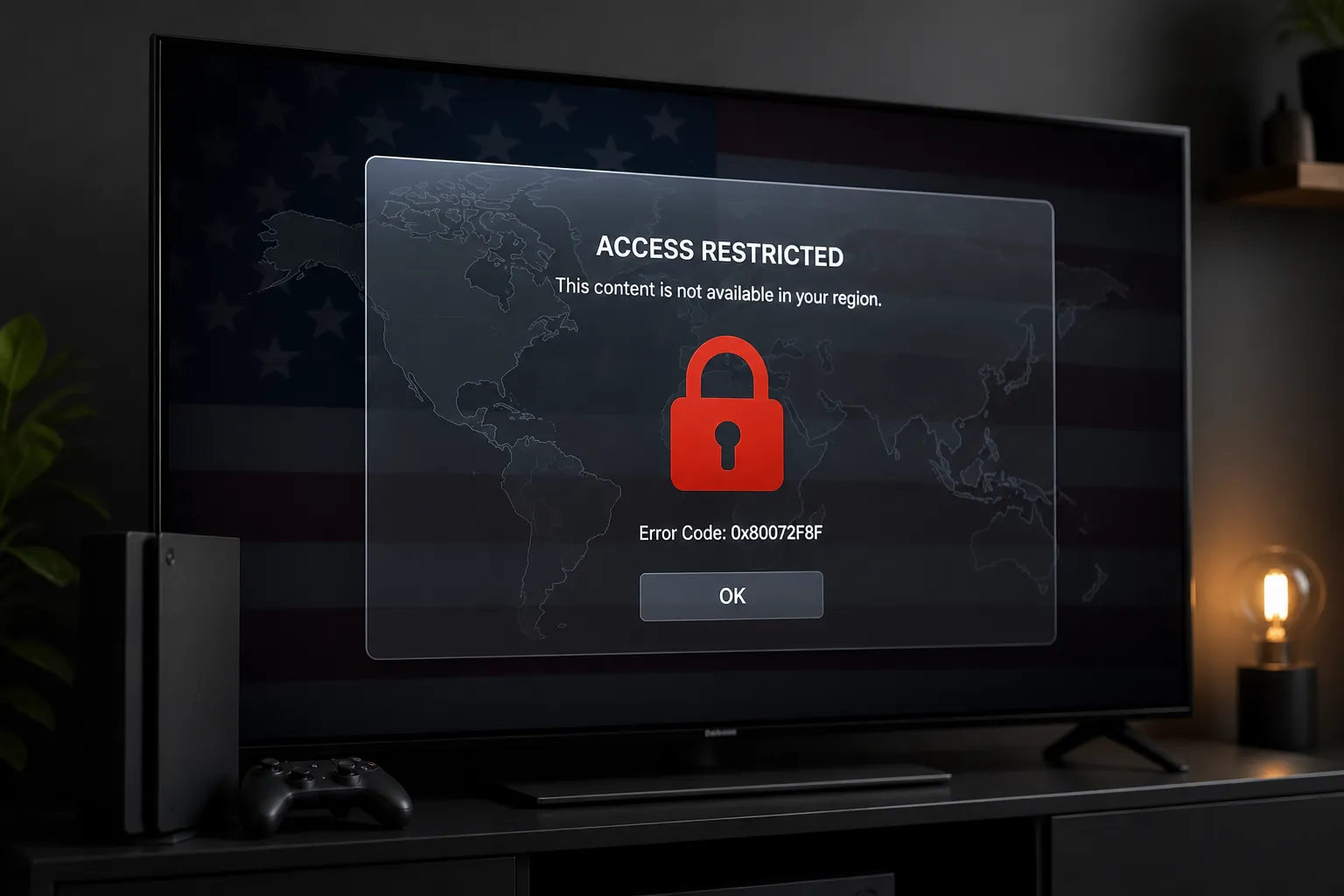
Anthropic reacted swiftly. The company disabled public access to both Fable 5 and Mythos 5 for all users, including foreign‑national employees, and issued a statement that it was complying with the order while it worked with U.S. officials to address the national‑security concerns. No plan to restore service has yet been announced.
The order has drawn criticism from the AI community. Kate Koren, a former Commerce Department adviser and deputy director at the Center for Strategic and International Studies, said the letter “shifts the boundary of export controls to the usage of cloud‑based programs.” She added that companies can no longer assume that their models are exempt from export‑control scrutiny.
Chris Chamberlain, a former Commerce adviser and partner at Morrison Foerster’s national‑security practice, noted that the letter’s language matters: “The baseline interpretation is that providing cloud access to software is not an export or deemed export of that software.” The new directive, however, treats the act of allowing foreign users to run the models as a transfer.
The directive also came amid reports that Anthropic had discovered a “jailbreak” – a method that bypasses the guardrails on Fable 5 that were designed to block certain cybersecurity tasks. The company has said that the U.S. government’s action was prompted by that discovery.
The issue was highlighted at the Group of Seven (G‑7) summit in Paris. French President Emmanuel Macron led discussions on how advanced AI models can be deployed through trusted partners. Michelle Nie, a fellow at the Center for a New American Security, said the U.S. move has “renewed worldwide calls for technological sovereignty and independence from the American ecosystem.”
Anthropic’s CEO, Dario Amodei, has not yet publicly detailed the company’s next steps. The company’s current policy does not require citizenship verification for users, and it employs foreign nationals. The new order therefore imposes a significant operational change.
The broader AI industry is watching closely. Aidan Gomez, CEO of Canadian AI developer Cohere Inc., said at the VivaTech conference in France that the episode underscores the need for a diversified supply chain of AI models. He added that reliance on a single provider “puts users at risk of losing access.”
If the Commerce Department’s authority is challenged, BIS could invoke other export‑control provisions. The risk of service interruptions for companies that run afoul of U.S. requests has increased.
At present, Anthropic is in ongoing discussions with U.S. officials. No public statement has announced a resolution or a timeline for restoring access. The situation remains unresolved, and further developments are expected as the company and the government negotiate the scope of the export‑control requirements.
The order follows a brief executive order from President Donald Trump that had set out a voluntary framework for companies to vet AI models for national‑security risks. Bloomberg News reported the letter, which now treats the two models as a technology transfer that requires U.S. approval. The Bureau of Industry and Security (BIS) has long required companies to obtain a license before sharing sensitive technology with foreign employees—a process known as a “deemed export.” Applying that rule to AI usage is unprecedented.
In the letter, Lutnick cites two U.S. statutes that give the government the authority to impose license requirements on emerging technologies that could be used by adversarial militaries. The first allows the President to impose interim restrictions on emerging technologies, and the second permits rapid licensing to prevent controlled technology from reaching military intelligence users in countries such as China or Russia.
Anthropic reacted swiftly. The company disabled public access to both Fable 5 and Mythos 5 for all users, including foreign‑national employees, and issued a statement that it was complying with the order while it worked with U.S. officials to address the national‑security concerns. No plan to restore service has yet been announced.
The order has drawn criticism from the AI community. Kate Koren, a former Commerce Department adviser and deputy director at the Center for Strategic and International Studies, said the letter “shifts the boundary of export controls to the usage of cloud‑based programs.” She added that companies can no longer assume that their models are exempt from export‑control scrutiny.
Chris Chamberlain, a former Commerce adviser and partner at Morrison Foerster’s national‑security practice, noted that the letter’s language matters: “The baseline interpretation is that providing cloud access to software is not an export or deemed export of that software.” The new directive, however, treats the act of allowing foreign users to run the models as a transfer.
The directive also came amid reports that Anthropic had discovered a “jailbreak” – a method that bypasses the guardrails on Fable 5 that were designed to block certain cybersecurity tasks. The company has said that the U.S. government’s action was prompted by that discovery.
The issue was highlighted at the Group of Seven (G‑7) summit in Paris. French President Emmanuel Macron led discussions on how advanced AI models can be deployed through trusted partners. Michelle Nie, a fellow at the Center for a New American Security, said the U.S. move has “renewed worldwide calls for technological sovereignty and independence from the American ecosystem.”
Anthropic’s CEO, Dario Amodei, has not yet publicly detailed the company’s next steps. The company’s current policy does not require citizenship verification for users, and it employs foreign nationals. The new order therefore imposes a significant operational change.
The broader AI industry is watching closely. Aidan Gomez, CEO of Canadian AI developer Cohere Inc., said at the VivaTech conference in France that the episode underscores the need for a diversified supply chain of AI models. He added that reliance on a single provider “puts users at risk of losing access.”
If the Commerce Department’s authority is challenged, BIS could invoke other export‑control provisions. The risk of service interruptions for companies that run afoul of U.S. requests has increased.
At present, Anthropic is in ongoing discussions with U.S. officials. No public statement has announced a resolution or a timeline for restoring access. The situation remains unresolved, and further developments are expected as the company and the government negotiate the scope of the export‑control requirements.