Blab News
Pennsylvania Declines to Join Trump-Led Great American State Fair
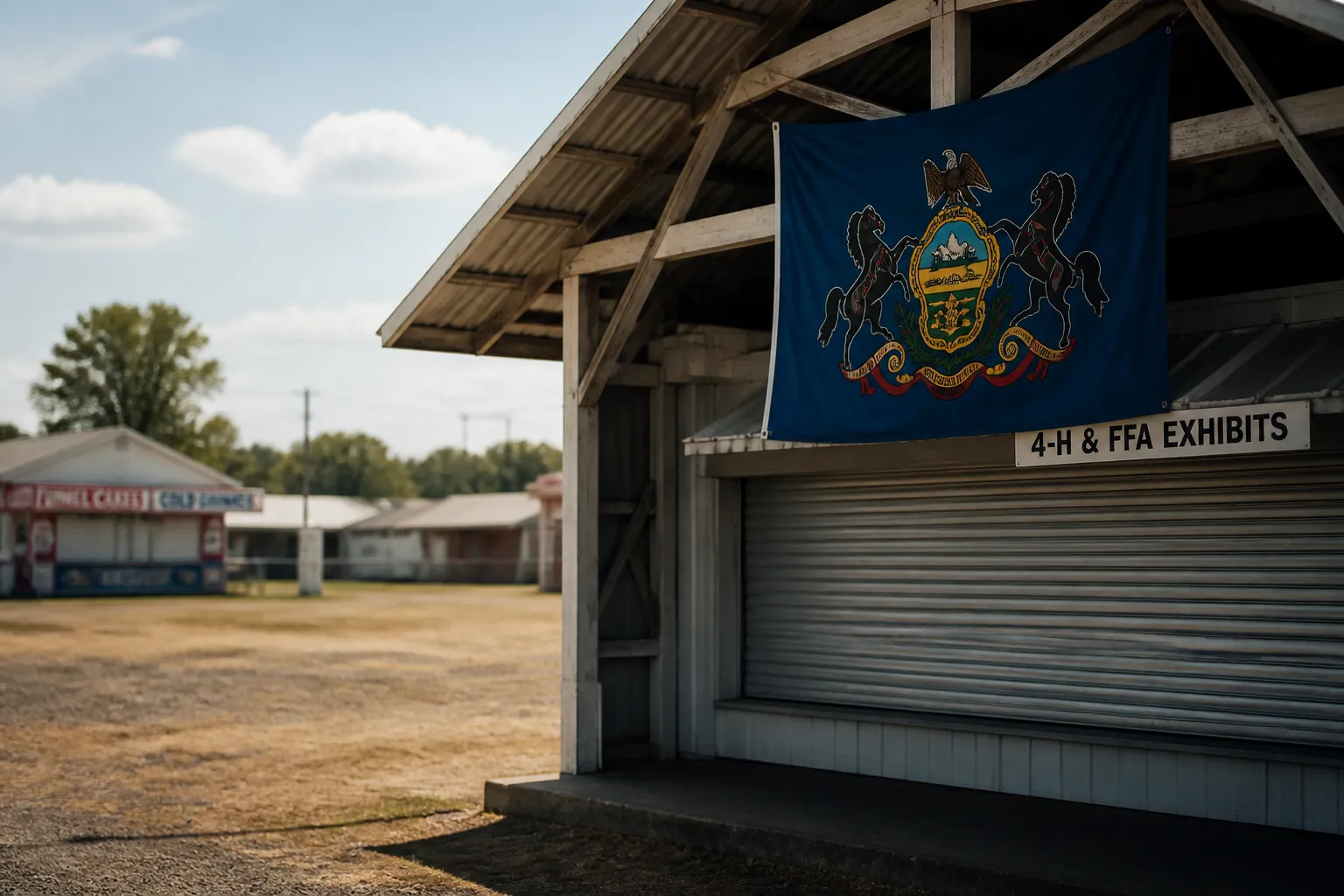
Pennsylvania has announced it will not participate in the President’s 16‑day Great American State Fair, a centerpiece of the United States’ 250th‑anniversary celebrations on the National Mall. Gov. Josh Shapiro said the state’s decision follows a canvassing effort that found no business interest in the event.
In a conversation with The New Republic, Shapiro described the fair as a “politicized” affair. “This president routinely makes patriotism partisan and personal—and it shouldn’t be that way,” he said. Shapiro’s office worked with the Pennsylvania Chamber of Commerce to gauge the views of companies across the state, from small firms to large corporations. According to Shapiro, “None were interested.” The chamber reported that its outreach covered a broad spectrum of businesses, yet none expressed a desire to join the festivities.
Pennsylvania’s withdrawal places it among eight states that have opted out of the fair, including Oregon, Washington, Massachusetts, Illinois, Connecticut, Maine, Rhode Island, and North Carolina. The list of states pulling out reflects concerns about cost, partisanship, and the overall direction of the event. The fair, which began on June 24 with a rally led by President Donald Trump, is part of the broader America250 program that commemorates the 250th anniversary of the Declaration of Independence.
The fair’s launch was intended to showcase American culture and history, but it has faced logistical challenges. Several scheduled performers withdrew in the days before the opening, and the event has been described by observers as a “rally to end all rallies.” Despite these setbacks, the fair continues as a 16‑day festival featuring music, food, and historical exhibits.
Shapiro’s decision is notable because Pennsylvania has historically been a swing state in recent presidential elections, alternating between Democratic and Republican control. By choosing not to participate, the state joins a growing group of states that are distancing themselves from the Trump‑led celebration.
The Pennsylvania Governor’s office has not announced any alternative plans for the state’s involvement in the 250th‑anniversary celebrations. Officials have indicated that the decision was made after careful consideration of business sentiment and the political implications of attending an event that has become highly partisan. The state’s withdrawal will be reflected in the official list of participating states for the fair, which is being monitored by the White House Task Force on Celebrating America’s 250th Birthday.
The Great American State Fair remains a significant event for Washington, D.C., and the national community, but Pennsylvania’s decision underscores a broader debate about the role of partisan politics in national celebrations. As the fair continues, observers will watch how other states respond and whether any additional withdrawals occur.
The next phase of the 250th‑anniversary celebrations will include a series of events across the country, including a Times Square Ball drop and a Freedom 250 Grand Prix. The federal government has stated that the celebrations will proceed regardless of the level of state participation. Pennsylvania’s choice may influence how other states approach their involvement in future national commemorations.
The state’s decision is currently the most recent development in a series of state responses to the Trump‑led fair. The Pennsylvania Governor’s office has not released further statements, and no official policy changes have been announced. The fair’s organizers are continuing to promote the event, while state officials focus on the implications of their withdrawal for local businesses and the broader political landscape.
In a conversation with The New Republic, Shapiro described the fair as a “politicized” affair. “This president routinely makes patriotism partisan and personal—and it shouldn’t be that way,” he said. Shapiro’s office worked with the Pennsylvania Chamber of Commerce to gauge the views of companies across the state, from small firms to large corporations. According to Shapiro, “None were interested.” The chamber reported that its outreach covered a broad spectrum of businesses, yet none expressed a desire to join the festivities.
Pennsylvania’s withdrawal places it among eight states that have opted out of the fair, including Oregon, Washington, Massachusetts, Illinois, Connecticut, Maine, Rhode Island, and North Carolina. The list of states pulling out reflects concerns about cost, partisanship, and the overall direction of the event. The fair, which began on June 24 with a rally led by President Donald Trump, is part of the broader America250 program that commemorates the 250th anniversary of the Declaration of Independence.
The fair’s launch was intended to showcase American culture and history, but it has faced logistical challenges. Several scheduled performers withdrew in the days before the opening, and the event has been described by observers as a “rally to end all rallies.” Despite these setbacks, the fair continues as a 16‑day festival featuring music, food, and historical exhibits.
Shapiro’s decision is notable because Pennsylvania has historically been a swing state in recent presidential elections, alternating between Democratic and Republican control. By choosing not to participate, the state joins a growing group of states that are distancing themselves from the Trump‑led celebration.
The Pennsylvania Governor’s office has not announced any alternative plans for the state’s involvement in the 250th‑anniversary celebrations. Officials have indicated that the decision was made after careful consideration of business sentiment and the political implications of attending an event that has become highly partisan. The state’s withdrawal will be reflected in the official list of participating states for the fair, which is being monitored by the White House Task Force on Celebrating America’s 250th Birthday.
The Great American State Fair remains a significant event for Washington, D.C., and the national community, but Pennsylvania’s decision underscores a broader debate about the role of partisan politics in national celebrations. As the fair continues, observers will watch how other states respond and whether any additional withdrawals occur.
The next phase of the 250th‑anniversary celebrations will include a series of events across the country, including a Times Square Ball drop and a Freedom 250 Grand Prix. The federal government has stated that the celebrations will proceed regardless of the level of state participation. Pennsylvania’s choice may influence how other states approach their involvement in future national commemorations.
The state’s decision is currently the most recent development in a series of state responses to the Trump‑led fair. The Pennsylvania Governor’s office has not released further statements, and no official policy changes have been announced. The fair’s organizers are continuing to promote the event, while state officials focus on the implications of their withdrawal for local businesses and the broader political landscape.