Blab News
TSA PreCheck Expands Touchless ID Access Through Google Wallet
The Transportation Security Administration (TSA) announced on Wednesday that TSA PreCheck members can now enroll in the program’s Touchless ID option directly through Google Wallet. The move allows travelers who already have a TSA PreCheck membership, a valid passport, and an active profile with a participating airline to use facial recognition at security checkpoints without presenting a physical ID or boarding pass.
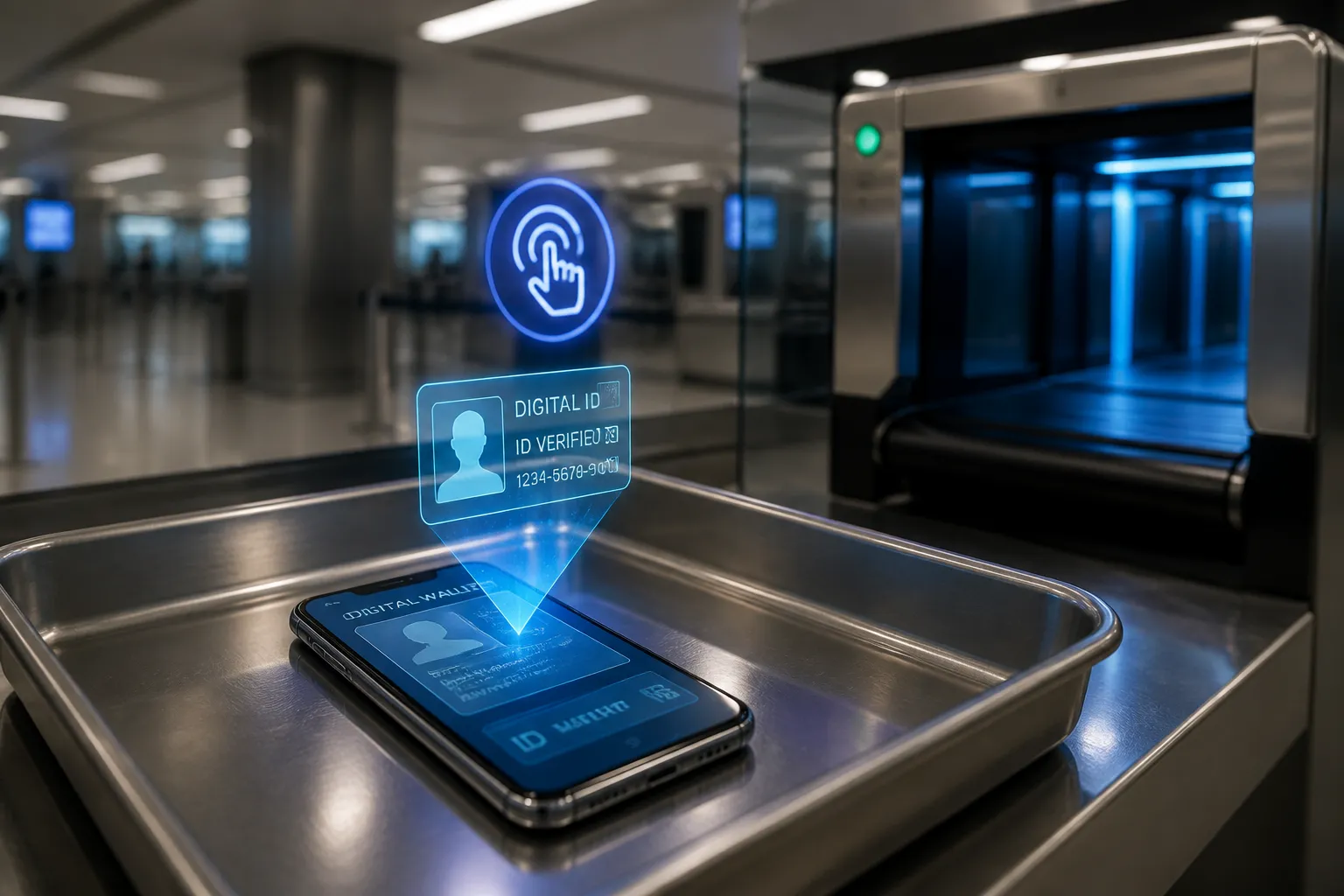
Under the new partnership, PreCheck members who check in with a participating airline and add their boarding pass to Google Wallet will see a “Get Started” button in the app. Selecting the button takes the traveler to a TSA consent page where they authorize the sharing of their digital ID and boarding pass with TSA. Once TSA confirms enrollment, the agency sends a success code that Google Wallet uses to update the boarding pass with a Touchless ID indicator. The indicator appears on the mobile boarding pass and signals that the passenger may use the dedicated Touchless ID lane.
Touchless ID was launched in 2021 and is now available at 65 U.S. airports. The program is optional and requires a 12‑month enrollment period. Airlines that participate in the program include United, Delta, American Airlines, Alaska Airlines, and Southwest. Travelers must have a valid passport in addition to their TSA PreCheck membership to qualify.
TSA Modernization Acting Chief Innovation Officer Shelu Patel said in a statement that the agency is “fully dedicated to enhancing the passenger experience through advanced technology and strategic partnerships.” He added that the collaboration with Google “helps our trusted TSA PreCheck travelers enjoy the fastest route through airport security.”
The facial recognition process used by Touchless ID is handled outside the Google Wallet app. TSA confirms the identity of the traveler at the checkpoint using its own secure facial comparison system. According to the agency, images captured during the scan are not used for law enforcement or surveillance purposes. TSA also states that photos and personal data are deleted from the system within 24 hours of the scheduled flight departure.
To opt in, travelers must first check in with a participating airline and add their boarding pass to Google Wallet. When the Touchless ID option is available, a “Get Started” button appears on the boarding pass in the wallet. After the traveler authorizes the data sharing, TSA confirms enrollment and sends a success code. Google Wallet then updates the boarding pass with the Touchless ID indicator.
The partnership with Google Wallet is the first time a digital wallet platform has been integrated with the TSA’s Touchless ID program. Previously, travelers had to opt in through the airline’s own mobile app or website. The new integration streamlines the process and makes it easier for passengers to enroll, especially those who already use Google Wallet for other travel documents.
The TSA’s decision to partner with Google comes amid a broader effort to modernize airport security. The agency has been expanding the use of facial recognition technology at checkpoints since 2020, citing improved accuracy and faster processing times. While the technology has drawn privacy concerns from some advocacy groups, the TSA has emphasized that the data is used solely for identity verification and is deleted shortly after the flight.
Travelers who prefer not to use facial recognition can still use the traditional TSA PreCheck lane. TSA has also provided an opt‑out process that does not require paperwork; passengers can simply inform security officers that they do not wish to be scanned.
The new Google Wallet integration is expected to increase the convenience of the Touchless ID program, potentially reducing wait times for millions of travelers. The TSA has not announced any changes to the program’s eligibility criteria or the number of participating airports.
As the program expands, travelers should verify that their airline is participating and that their boarding pass is added to Google Wallet before attempting to use the Touchless ID lane. The TSA continues to monitor the program’s performance and data privacy safeguards.
The partnership marks a significant step in the TSA’s ongoing efforts to leverage technology for faster, more efficient airport security while maintaining privacy protections for passengers.
Under the new partnership, PreCheck members who check in with a participating airline and add their boarding pass to Google Wallet will see a “Get Started” button in the app. Selecting the button takes the traveler to a TSA consent page where they authorize the sharing of their digital ID and boarding pass with TSA. Once TSA confirms enrollment, the agency sends a success code that Google Wallet uses to update the boarding pass with a Touchless ID indicator. The indicator appears on the mobile boarding pass and signals that the passenger may use the dedicated Touchless ID lane.
Touchless ID was launched in 2021 and is now available at 65 U.S. airports. The program is optional and requires a 12‑month enrollment period. Airlines that participate in the program include United, Delta, American Airlines, Alaska Airlines, and Southwest. Travelers must have a valid passport in addition to their TSA PreCheck membership to qualify.
TSA Modernization Acting Chief Innovation Officer Shelu Patel said in a statement that the agency is “fully dedicated to enhancing the passenger experience through advanced technology and strategic partnerships.” He added that the collaboration with Google “helps our trusted TSA PreCheck travelers enjoy the fastest route through airport security.”
The facial recognition process used by Touchless ID is handled outside the Google Wallet app. TSA confirms the identity of the traveler at the checkpoint using its own secure facial comparison system. According to the agency, images captured during the scan are not used for law enforcement or surveillance purposes. TSA also states that photos and personal data are deleted from the system within 24 hours of the scheduled flight departure.
To opt in, travelers must first check in with a participating airline and add their boarding pass to Google Wallet. When the Touchless ID option is available, a “Get Started” button appears on the boarding pass in the wallet. After the traveler authorizes the data sharing, TSA confirms enrollment and sends a success code. Google Wallet then updates the boarding pass with the Touchless ID indicator.
The partnership with Google Wallet is the first time a digital wallet platform has been integrated with the TSA’s Touchless ID program. Previously, travelers had to opt in through the airline’s own mobile app or website. The new integration streamlines the process and makes it easier for passengers to enroll, especially those who already use Google Wallet for other travel documents.
The TSA’s decision to partner with Google comes amid a broader effort to modernize airport security. The agency has been expanding the use of facial recognition technology at checkpoints since 2020, citing improved accuracy and faster processing times. While the technology has drawn privacy concerns from some advocacy groups, the TSA has emphasized that the data is used solely for identity verification and is deleted shortly after the flight.
Travelers who prefer not to use facial recognition can still use the traditional TSA PreCheck lane. TSA has also provided an opt‑out process that does not require paperwork; passengers can simply inform security officers that they do not wish to be scanned.
The new Google Wallet integration is expected to increase the convenience of the Touchless ID program, potentially reducing wait times for millions of travelers. The TSA has not announced any changes to the program’s eligibility criteria or the number of participating airports.
As the program expands, travelers should verify that their airline is participating and that their boarding pass is added to Google Wallet before attempting to use the Touchless ID lane. The TSA continues to monitor the program’s performance and data privacy safeguards.
The partnership marks a significant step in the TSA’s ongoing efforts to leverage technology for faster, more efficient airport security while maintaining privacy protections for passengers.