Blab News
US-Israeli Campaign Against Iran Sparks Calls for Accountability Amid Ongoing Conflict
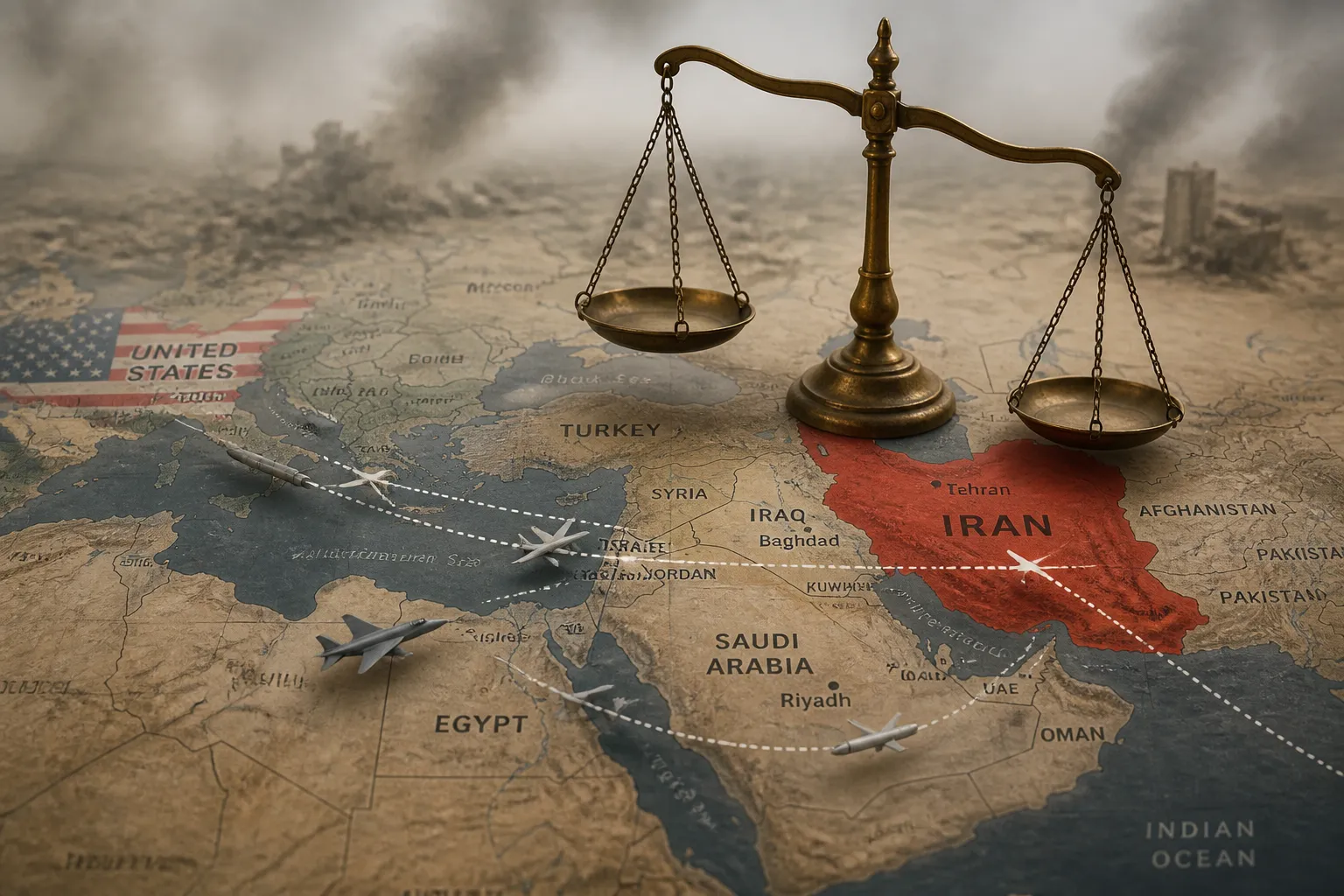
On 28 February 2026, the United States and Israel launched a coordinated air campaign that struck Iranian nuclear and military sites, ending in the deaths of several high‑ranking officials, including Supreme Leader Ali Khamenei. The operation, described in Wikipedia as the opening salvo of the 2026 Iran war, follows a chain of escalations that began in 2024 and grew with Israeli strikes on Iranian targets in 2025.
The campaign comes amid growing criticism of Israeli Prime Minister Benjamin Netanyahu, who has governed since 2022. Analysts note a trend toward democratic backsliding and a focus on sustaining regional dominance. In a recent piece by Ran Edelist, an analyst for the Israeli daily Maariv, the U.S. government’s pressure on Tel Aviv is said to have pushed Netanyahu’s regime into a precarious position. Edelist argues that Netanyahu’s performance has eroded Israel’s political and democratic structures, and that continued aggression threatens security, the economy, and the political system.
Edelist describes Netanyahu as “addicted to power” and contends that the primary aim of the recent wars is not to counter Iran’s nuclear program but to preserve Israel’s regional superiority. He notes that Iran’s nuclear threat has become a tool for advancing the Israeli government’s political and security objectives rather than the main driver of conflict.
Despite the extensive attacks, Iran remains a key player in Middle‑East dynamics. Wikipedia’s entry on Iran–Israel relations explains that Iran’s support for militant groups and its nuclear program have long been sources of tension. The 2026 campaign has not yet achieved Tel Aviv’s declared objectives, according to Edelist, who calls for an official inquiry committee to review decisions related to the wars and to hold the Israeli government accountable for its regional policies.
The United States has historically been Israel’s largest military aid recipient, providing billions of dollars in assistance and using its United Nations Security Council veto to shield Israel from international criticism. The joint campaign is part of a broader strategy that includes intelligence cooperation and shared military objectives, framed by the long‑standing perception that Iran poses an existential threat—a view reinforced by Iran’s continued support for proxy groups across the region.
The war’s economic implications are significant. The U.S. and Israel’s strikes on Iranian infrastructure have disrupted supply chains and increased regional instability. While the U.S. has maintained substantial aid to Israel, the conflict has strained diplomatic relations with other regional actors and heightened concerns about escalation.
Internationally, the war prompted high‑level negotiations. After a ceasefire mediated by Pakistan in April 2026, the parties entered talks in Islamabad. However, a lasting settlement remains elusive, with the U.S. demanding a permanent halt to all Iranian uranium enrichment and Iran insisting on its legal right to a civilian nuclear program.
The ongoing conflict also intersects with domestic political developments in Israel. Netanyahu’s government has pursued judicial reforms that have sparked large‑scale protests, and the war has intensified scrutiny of his leadership. The call for an inquiry committee reflects growing domestic pressure for greater transparency and accountability.
As the war continues, the international community watches closely. The United Nations and other bodies have urged restraint, while regional actors monitor the shifting balance of power. The situation remains fluid, with potential for further escalation or diplomatic breakthroughs.
In summary, the U.S.‑Israeli campaign against Iran has intensified an already volatile conflict, prompting calls for accountability within Israel and raising questions about the long‑term stability of the region. The outcome of ongoing negotiations and the effectiveness of the inquiry committee will shape the trajectory of the war and its broader geopolitical implications.
The campaign comes amid growing criticism of Israeli Prime Minister Benjamin Netanyahu, who has governed since 2022. Analysts note a trend toward democratic backsliding and a focus on sustaining regional dominance. In a recent piece by Ran Edelist, an analyst for the Israeli daily Maariv, the U.S. government’s pressure on Tel Aviv is said to have pushed Netanyahu’s regime into a precarious position. Edelist argues that Netanyahu’s performance has eroded Israel’s political and democratic structures, and that continued aggression threatens security, the economy, and the political system.
Edelist describes Netanyahu as “addicted to power” and contends that the primary aim of the recent wars is not to counter Iran’s nuclear program but to preserve Israel’s regional superiority. He notes that Iran’s nuclear threat has become a tool for advancing the Israeli government’s political and security objectives rather than the main driver of conflict.
Despite the extensive attacks, Iran remains a key player in Middle‑East dynamics. Wikipedia’s entry on Iran–Israel relations explains that Iran’s support for militant groups and its nuclear program have long been sources of tension. The 2026 campaign has not yet achieved Tel Aviv’s declared objectives, according to Edelist, who calls for an official inquiry committee to review decisions related to the wars and to hold the Israeli government accountable for its regional policies.
The United States has historically been Israel’s largest military aid recipient, providing billions of dollars in assistance and using its United Nations Security Council veto to shield Israel from international criticism. The joint campaign is part of a broader strategy that includes intelligence cooperation and shared military objectives, framed by the long‑standing perception that Iran poses an existential threat—a view reinforced by Iran’s continued support for proxy groups across the region.
The war’s economic implications are significant. The U.S. and Israel’s strikes on Iranian infrastructure have disrupted supply chains and increased regional instability. While the U.S. has maintained substantial aid to Israel, the conflict has strained diplomatic relations with other regional actors and heightened concerns about escalation.
Internationally, the war prompted high‑level negotiations. After a ceasefire mediated by Pakistan in April 2026, the parties entered talks in Islamabad. However, a lasting settlement remains elusive, with the U.S. demanding a permanent halt to all Iranian uranium enrichment and Iran insisting on its legal right to a civilian nuclear program.
The ongoing conflict also intersects with domestic political developments in Israel. Netanyahu’s government has pursued judicial reforms that have sparked large‑scale protests, and the war has intensified scrutiny of his leadership. The call for an inquiry committee reflects growing domestic pressure for greater transparency and accountability.
As the war continues, the international community watches closely. The United Nations and other bodies have urged restraint, while regional actors monitor the shifting balance of power. The situation remains fluid, with potential for further escalation or diplomatic breakthroughs.
In summary, the U.S.‑Israeli campaign against Iran has intensified an already volatile conflict, prompting calls for accountability within Israel and raising questions about the long‑term stability of the region. The outcome of ongoing negotiations and the effectiveness of the inquiry committee will shape the trajectory of the war and its broader geopolitical implications.