Blab News
Orange County Couple Witnessed Fatal Crocodile Attack in Puerto Vallarta
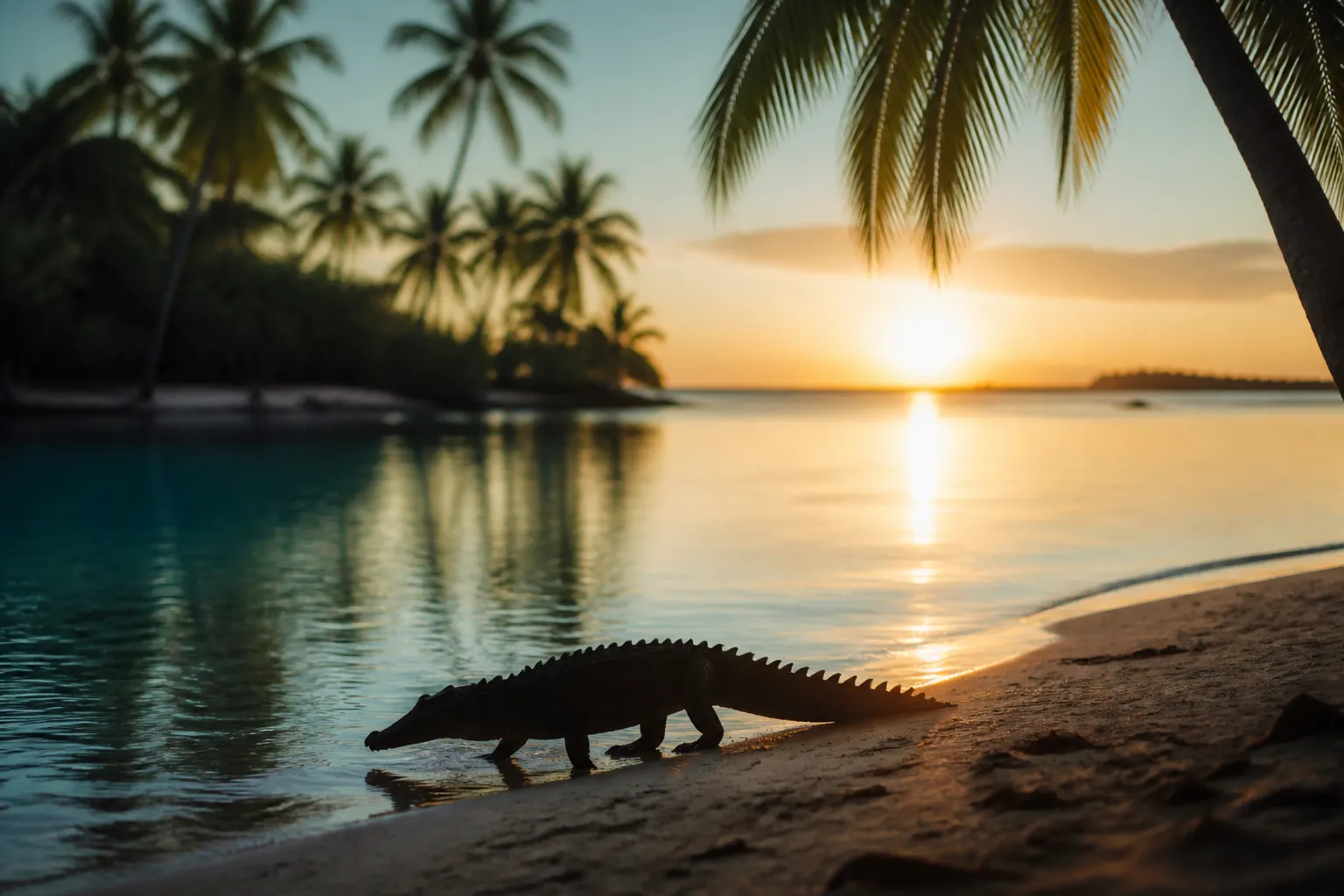
On Friday night, a 28‑year‑old tourist was killed by a crocodile at Marina Vallarta Beach in Puerto Vallarta, Jalisco, Mexico. An Orange County couple, Chris Bury and Jamie Yetter, who were staying at the Marriott Puerto Vallarta Resort and Spa, tried to rescue the victim but could not stop the fatal attack. The following morning authorities captured the crocodile and recovered the body, prompting a renewed emphasis on beach safety warnings in the region.
Jalisco state police said the attack occurred at about 6:30 p.m. The victim, a Mexico City resident named Irving, was part of a group of friends vacationing in Puerto Vallarta. Bury and Yetter were walking along the beach after a swim when they heard screams. They rushed to the shoreline and saw Irving being attacked in the water. The couple described the scene as traumatic: "It's pretty traumatizing," Bury told reporters. They threw a life preserver toward the victim, but he did not respond. When a kayak was brought to the beach, Bury attempted to paddle out, but by that time the crocodile had already dragged Irving out to sea. Yetter recalled the animal’s size, noting that its head was as long as her torso and its tail thicker than her legs.
The animal is believed to be an American crocodile (Crocodylus acutus), a species that can reach lengths of more than seven metres and is known to inhabit coastal areas of Mexico. Although crocodile attacks in Puerto Vallarta are rare, they are not unprecedented. In 2022, two Colorado tourists were bitten by a crocodile while visiting the area. The presence of large reptiles in the region has prompted local authorities to issue warnings about beach safety.
After the incident, Jalisco state authorities captured the crocodile suspected of being responsible for the attack. The body of Irving was recovered on Saturday morning. The couple expressed deep grief and anger over the loss: "I am so consumed with grief and anger," Yetter said. Authorities have urged the public to obey warning signs and avoid entering waters where wildlife is known to be present.
Puerto Vallarta is a major resort city on the Pacific coast of Jalisco, attracting thousands of visitors each year. The municipality, which includes the city and surrounding communities, has a history of wildlife encounters in its coastal waters. The incident has highlighted the ongoing need for clear safety signage and public education about the risks posed by large reptiles in beach environments.
At present, the investigation into the attack is ongoing. The captured crocodile will likely be examined to confirm its species and any potential link to other incidents. No immediate policy changes have been announced, but Jalisco authorities continue to reinforce beach safety protocols and monitor wildlife activity in popular tourist areas.
The incident underscores the importance of vigilance for both visitors and local residents. While the presence of American crocodiles in the region is a natural fact, the tragic outcome of this encounter serves as a reminder that beach safety measures and public awareness remain essential to prevent future fatalities.
Jalisco state police said the attack occurred at about 6:30 p.m. The victim, a Mexico City resident named Irving, was part of a group of friends vacationing in Puerto Vallarta. Bury and Yetter were walking along the beach after a swim when they heard screams. They rushed to the shoreline and saw Irving being attacked in the water. The couple described the scene as traumatic: "It's pretty traumatizing," Bury told reporters. They threw a life preserver toward the victim, but he did not respond. When a kayak was brought to the beach, Bury attempted to paddle out, but by that time the crocodile had already dragged Irving out to sea. Yetter recalled the animal’s size, noting that its head was as long as her torso and its tail thicker than her legs.
The animal is believed to be an American crocodile (Crocodylus acutus), a species that can reach lengths of more than seven metres and is known to inhabit coastal areas of Mexico. Although crocodile attacks in Puerto Vallarta are rare, they are not unprecedented. In 2022, two Colorado tourists were bitten by a crocodile while visiting the area. The presence of large reptiles in the region has prompted local authorities to issue warnings about beach safety.
After the incident, Jalisco state authorities captured the crocodile suspected of being responsible for the attack. The body of Irving was recovered on Saturday morning. The couple expressed deep grief and anger over the loss: "I am so consumed with grief and anger," Yetter said. Authorities have urged the public to obey warning signs and avoid entering waters where wildlife is known to be present.
Puerto Vallarta is a major resort city on the Pacific coast of Jalisco, attracting thousands of visitors each year. The municipality, which includes the city and surrounding communities, has a history of wildlife encounters in its coastal waters. The incident has highlighted the ongoing need for clear safety signage and public education about the risks posed by large reptiles in beach environments.
At present, the investigation into the attack is ongoing. The captured crocodile will likely be examined to confirm its species and any potential link to other incidents. No immediate policy changes have been announced, but Jalisco authorities continue to reinforce beach safety protocols and monitor wildlife activity in popular tourist areas.
The incident underscores the importance of vigilance for both visitors and local residents. While the presence of American crocodiles in the region is a natural fact, the tragic outcome of this encounter serves as a reminder that beach safety measures and public awareness remain essential to prevent future fatalities.