Blab News
San Francisco Jury Convicts Seven Protesters Who Blocked Golden Gate Bridge, Mistrial on Felony Charge
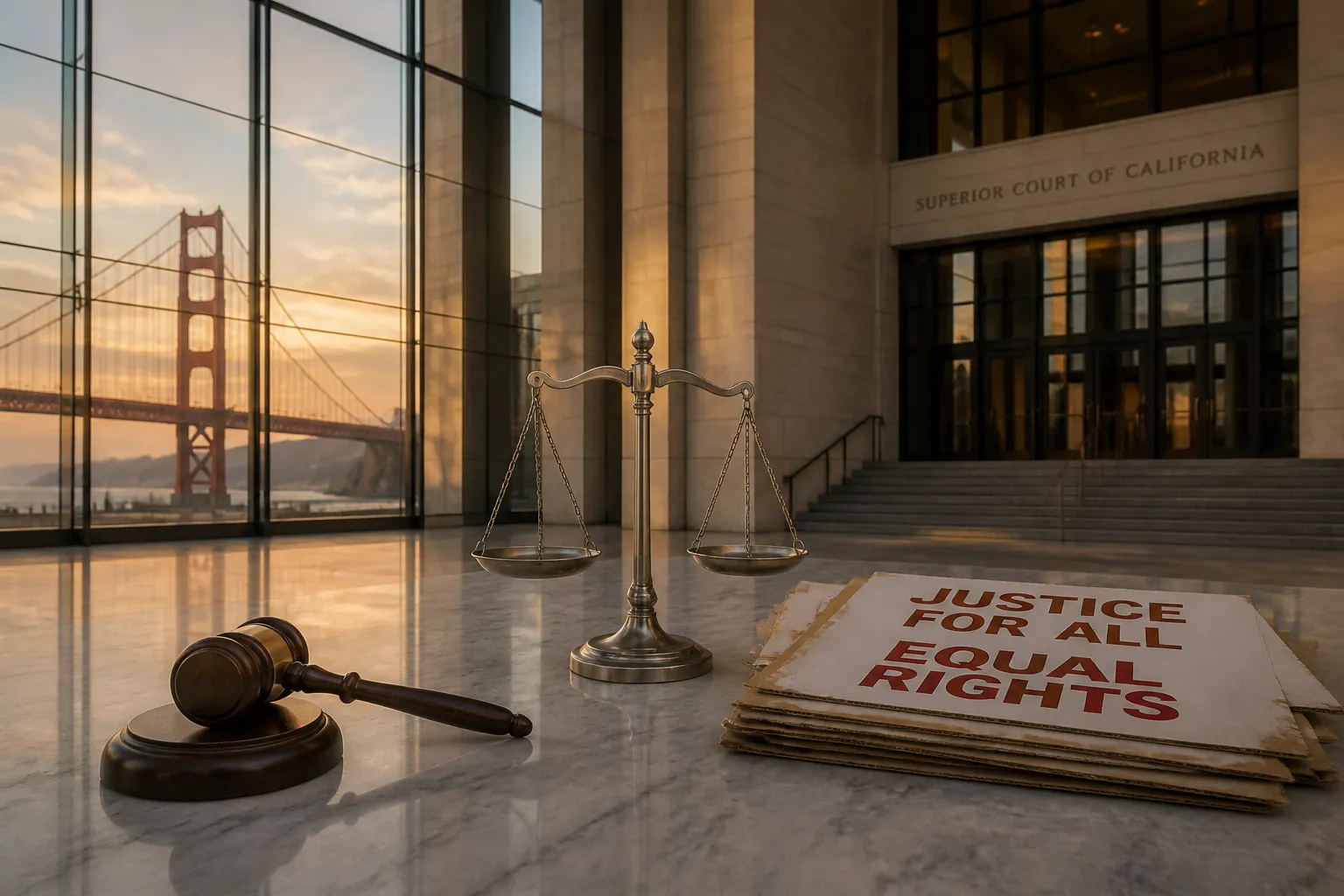
A San Francisco jury reached a verdict on Thursday in a case stemming from an April 15, 2024 protest that shut traffic on the Golden Gate Bridge. Seven demonstrators were found guilty of misdemeanor counts, while the jury could not agree on a felony conspiracy charge and a misdemeanor trespass charge, resulting in a mistrial for those counts.
The defendants, who were part of a group that became known as the “Golden Gate 26,” were each convicted on six misdemeanor counts. One defendant faced an additional count, bringing the total to seven misdemeanor convictions. The charges were related to false imprisonment, obstruction of traffic, and other conduct that interfered with the bridge’s operation. The potential jail sentences for the guilty counts range from five to five‑and‑a‑half years in county jail. Sentencing is scheduled for August 21.
The jury’s deadlock on the felony conspiracy charge and the misdemeanor trespass charge means the defendants could face a retrial on those unresolved counts. District Attorney Brooke Jenkins said the jury’s inability to reach a unanimous decision on those charges was not a reflection of the evidence but a procedural outcome.
"To me, that shows that this is a decision that she’s making, not actually based on this case or about the jurors’ experience or about the facts or about the evidence or about the actual people here, but about some other influence," Jenkins said. She added that the DA’s office would not rule out a retrial.
The protest itself was part of a nationwide wave of demonstrations against the United States’ military aid to Israel during the Gaza war. On April 15, 2024, the demonstrators parked their vehicles in unison on the bridge, chained themselves together, and blocked traffic for several hours. The action was coordinated with other protests that day calling for an end to U.S. support for Israel.
The Golden Gate Bridge, a 1‑mile suspension bridge that connects San Francisco to Marin County, is one of the world’s most recognizable landmarks. It carries U.S. Route 101 and California State Route 1, as well as pedestrian and bicycle traffic. The bridge’s closure on that day caused significant disruption for commuters and tourists.
According to the DA’s office, video footage of the protest and testimony from motorists stranded on the bridge were central to the prosecution’s case. The evidence showed that the demonstrators’ actions interfered with the bridge’s operation and posed a safety risk.
Supporters of the protesters viewed the mistrial on the felony and trespass charges as a victory. One of the defendants, Bhavika Anandpura, said he felt relief that the trial had produced some positive outcome.
Public defenders representing the defendants criticized the prosecution, arguing that the protest was a form of civil disobedience aimed at drawing attention to the Gaza conflict. "Blocking traffic for a few hours. Years ago, is the bare minimum that we should be doing as American citizens. While our tax dollars continue to fund the mass genocide of Palestinians," said San Francisco Public Defender Nuha Abusamra.
The DA’s office had previously dropped or reduced charges against 19 participants in the protest. The seven defendants who went to trial were the only ones who remained charged.
The case highlights the tension between First Amendment rights and public safety concerns. Jenkins emphasized that the prosecution’s focus was on ensuring that expressions of dissent do not endanger others.
"This isn’t about agreeing or disagreeing with anybody’s political position on what’s going on abroad. This is about making sure when we speak our minds and we exercise our first amendment rights that we do it in a way that respects the safety of others," Jenkins said.
The trial and verdict come amid ongoing discussions about U.S. military aid to Israel, which has totaled at least $21.7 billion since the Gaza war began in October 2023. The protest was one of many that have taken place across the United States in response to the conflict.
The sentencing hearing for the guilty counts will take place on August 21. Until then, the defendants remain free on bond, and the unresolved charges may lead to a future trial.
The outcome of the trial underscores the legal limits of protest actions that interfere with public infrastructure and the potential consequences for participants who choose to engage in civil disobedience.
The defendants, who were part of a group that became known as the “Golden Gate 26,” were each convicted on six misdemeanor counts. One defendant faced an additional count, bringing the total to seven misdemeanor convictions. The charges were related to false imprisonment, obstruction of traffic, and other conduct that interfered with the bridge’s operation. The potential jail sentences for the guilty counts range from five to five‑and‑a‑half years in county jail. Sentencing is scheduled for August 21.
The jury’s deadlock on the felony conspiracy charge and the misdemeanor trespass charge means the defendants could face a retrial on those unresolved counts. District Attorney Brooke Jenkins said the jury’s inability to reach a unanimous decision on those charges was not a reflection of the evidence but a procedural outcome.
"To me, that shows that this is a decision that she’s making, not actually based on this case or about the jurors’ experience or about the facts or about the evidence or about the actual people here, but about some other influence," Jenkins said. She added that the DA’s office would not rule out a retrial.
The protest itself was part of a nationwide wave of demonstrations against the United States’ military aid to Israel during the Gaza war. On April 15, 2024, the demonstrators parked their vehicles in unison on the bridge, chained themselves together, and blocked traffic for several hours. The action was coordinated with other protests that day calling for an end to U.S. support for Israel.
The Golden Gate Bridge, a 1‑mile suspension bridge that connects San Francisco to Marin County, is one of the world’s most recognizable landmarks. It carries U.S. Route 101 and California State Route 1, as well as pedestrian and bicycle traffic. The bridge’s closure on that day caused significant disruption for commuters and tourists.
According to the DA’s office, video footage of the protest and testimony from motorists stranded on the bridge were central to the prosecution’s case. The evidence showed that the demonstrators’ actions interfered with the bridge’s operation and posed a safety risk.
Supporters of the protesters viewed the mistrial on the felony and trespass charges as a victory. One of the defendants, Bhavika Anandpura, said he felt relief that the trial had produced some positive outcome.
Public defenders representing the defendants criticized the prosecution, arguing that the protest was a form of civil disobedience aimed at drawing attention to the Gaza conflict. "Blocking traffic for a few hours. Years ago, is the bare minimum that we should be doing as American citizens. While our tax dollars continue to fund the mass genocide of Palestinians," said San Francisco Public Defender Nuha Abusamra.
The DA’s office had previously dropped or reduced charges against 19 participants in the protest. The seven defendants who went to trial were the only ones who remained charged.
The case highlights the tension between First Amendment rights and public safety concerns. Jenkins emphasized that the prosecution’s focus was on ensuring that expressions of dissent do not endanger others.
"This isn’t about agreeing or disagreeing with anybody’s political position on what’s going on abroad. This is about making sure when we speak our minds and we exercise our first amendment rights that we do it in a way that respects the safety of others," Jenkins said.
The trial and verdict come amid ongoing discussions about U.S. military aid to Israel, which has totaled at least $21.7 billion since the Gaza war began in October 2023. The protest was one of many that have taken place across the United States in response to the conflict.
The sentencing hearing for the guilty counts will take place on August 21. Until then, the defendants remain free on bond, and the unresolved charges may lead to a future trial.
The outcome of the trial underscores the legal limits of protest actions that interfere with public infrastructure and the potential consequences for participants who choose to engage in civil disobedience.