Blab News
Pope Leo XIV Sends Letter to Americans on 250th Independence Anniversary
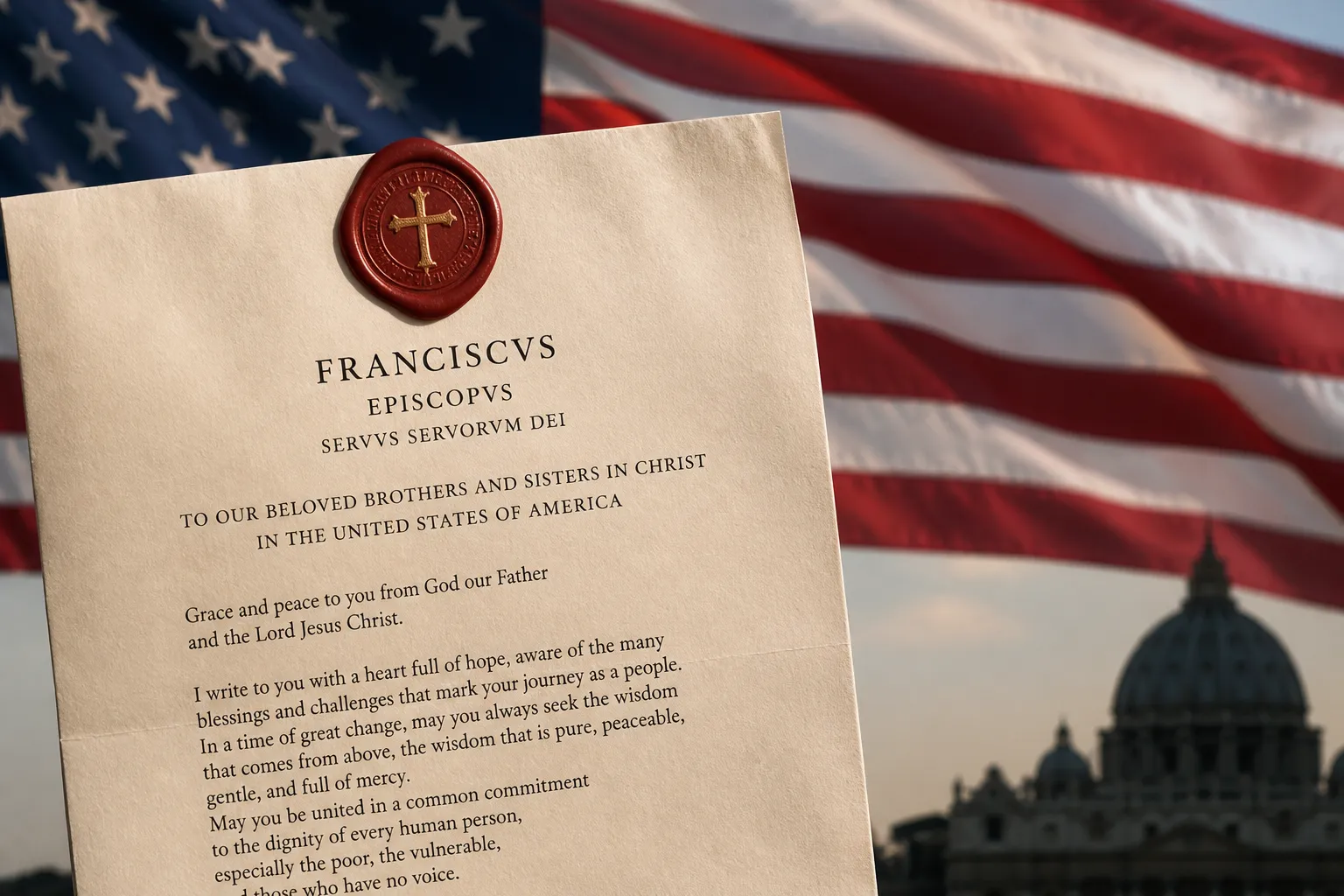
On July 4, 2026, the United States celebrated the 250th anniversary of the Declaration of Independence. In a gesture that underscored his historic status as the first U.S.–born pope, Pope Leo XIV released an open letter to the American people that highlighted the nation’s founding principles and called for renewed commitment to religious freedom, human dignity and immigration.
The letter, dated June 25 and distributed by the U.S. Conference of Catholic Bishops, was issued while the pope was in Italy. It followed his visit to the Mediterranean island of Lampedusa, a key entry point for migrants heading to Europe, where he urged the United States to "welcome, protect and assist" those seeking refuge. The pope’s remarks were echoed in a news release from the Vatican and in coverage by outlets such as Time, The Guardian and NBC News.
In the letter, the pope reflected on the Declaration’s enduring voice for liberty, equality, the pursuit of happiness, justice and democratic self‑government. He noted that for 250 years, Americans have advanced these ideals through sacrifice, service, innovation and civic participation. The pope emphasized that religious freedom—defined as the right to worship according to conscience without coercion—has been a cornerstone of the American promise and has allowed the Catholic Church to flourish in the United States.
The pope also addressed the dignity of the human person. He wrote that every life is endowed by God with inherent worth and that protecting life from conception to natural death is a moral obligation. He linked this principle to the treatment of migrants, stating that welcoming and caring for newcomers is an act of charity that recognizes the dignity of every human being.
Pope Leo XIV cited his predecessor, Pope Leo XIII, and the encyclical Sapientiae Christianae, which praised the Christian citizen’s sense of duty. He also referenced his own encyclical Magnifica Humanitas, which calls for shared responsibility and cooperation in addressing global challenges.
The letter concluded with a prayer for the United States, entrusting the nation to the intercession of the Immaculate Conception, the patroness of the United States. The pope urged Americans to honor the courage of those who came before them by strengthening communities, respecting differences and working together toward a more perfect union.
The pope’s message arrived on the same day he was awarded the National Constitution Center’s Liberty Medal, a civic honor that recognizes contributions to religious liberty and freedom of conscience. The award ceremony, held on Independence Mall in Philadelphia, was broadcast live in the United States and was attended by President Donald Trump, Vice President Kamala Harris and other senior officials.
The 250th‑anniversary celebrations have included a range of events, from commemorative coinage to the Freedom 250 Grand Prix on the National Mall. The pope’s letter adds a spiritual dimension to the festivities, reminding Americans of the moral foundations that underlie the nation’s political and social institutions.
While the letter was widely reported, it has not been accompanied by any official policy changes or new legislation. The pope’s appeal is a call to conscience rather than a directive. Nonetheless, it has sparked discussion among religious leaders, policymakers and civic groups about the role of faith in public life and the ongoing debate over immigration policy.
As the United States marks its 250th anniversary, Pope Leo XIV’s letter serves as a reminder of the country’s founding ideals and the responsibilities that accompany them. The pope’s emphasis on religious freedom, human dignity and compassionate immigration policy reflects a broader effort to align contemporary American society with the principles that shaped the nation’s early years.
The letter remains available in full on the Vatican’s website and has been translated into several languages for international audiences. The pope’s message will likely continue to be referenced by religious and civic leaders as the nation reflects on its past and plans for its future.
The letter, dated June 25 and distributed by the U.S. Conference of Catholic Bishops, was issued while the pope was in Italy. It followed his visit to the Mediterranean island of Lampedusa, a key entry point for migrants heading to Europe, where he urged the United States to "welcome, protect and assist" those seeking refuge. The pope’s remarks were echoed in a news release from the Vatican and in coverage by outlets such as Time, The Guardian and NBC News.
In the letter, the pope reflected on the Declaration’s enduring voice for liberty, equality, the pursuit of happiness, justice and democratic self‑government. He noted that for 250 years, Americans have advanced these ideals through sacrifice, service, innovation and civic participation. The pope emphasized that religious freedom—defined as the right to worship according to conscience without coercion—has been a cornerstone of the American promise and has allowed the Catholic Church to flourish in the United States.
The pope also addressed the dignity of the human person. He wrote that every life is endowed by God with inherent worth and that protecting life from conception to natural death is a moral obligation. He linked this principle to the treatment of migrants, stating that welcoming and caring for newcomers is an act of charity that recognizes the dignity of every human being.
Pope Leo XIV cited his predecessor, Pope Leo XIII, and the encyclical Sapientiae Christianae, which praised the Christian citizen’s sense of duty. He also referenced his own encyclical Magnifica Humanitas, which calls for shared responsibility and cooperation in addressing global challenges.
The letter concluded with a prayer for the United States, entrusting the nation to the intercession of the Immaculate Conception, the patroness of the United States. The pope urged Americans to honor the courage of those who came before them by strengthening communities, respecting differences and working together toward a more perfect union.
The pope’s message arrived on the same day he was awarded the National Constitution Center’s Liberty Medal, a civic honor that recognizes contributions to religious liberty and freedom of conscience. The award ceremony, held on Independence Mall in Philadelphia, was broadcast live in the United States and was attended by President Donald Trump, Vice President Kamala Harris and other senior officials.
The 250th‑anniversary celebrations have included a range of events, from commemorative coinage to the Freedom 250 Grand Prix on the National Mall. The pope’s letter adds a spiritual dimension to the festivities, reminding Americans of the moral foundations that underlie the nation’s political and social institutions.
While the letter was widely reported, it has not been accompanied by any official policy changes or new legislation. The pope’s appeal is a call to conscience rather than a directive. Nonetheless, it has sparked discussion among religious leaders, policymakers and civic groups about the role of faith in public life and the ongoing debate over immigration policy.
As the United States marks its 250th anniversary, Pope Leo XIV’s letter serves as a reminder of the country’s founding ideals and the responsibilities that accompany them. The pope’s emphasis on religious freedom, human dignity and compassionate immigration policy reflects a broader effort to align contemporary American society with the principles that shaped the nation’s early years.
The letter remains available in full on the Vatican’s website and has been translated into several languages for international audiences. The pope’s message will likely continue to be referenced by religious and civic leaders as the nation reflects on its past and plans for its future.