Blab News
Washington DC Cancels Independence Day Parade Amid Record-High Heat
Heat‑wave forces Washington to ditch its biggest Fourth‑of‑July tradition
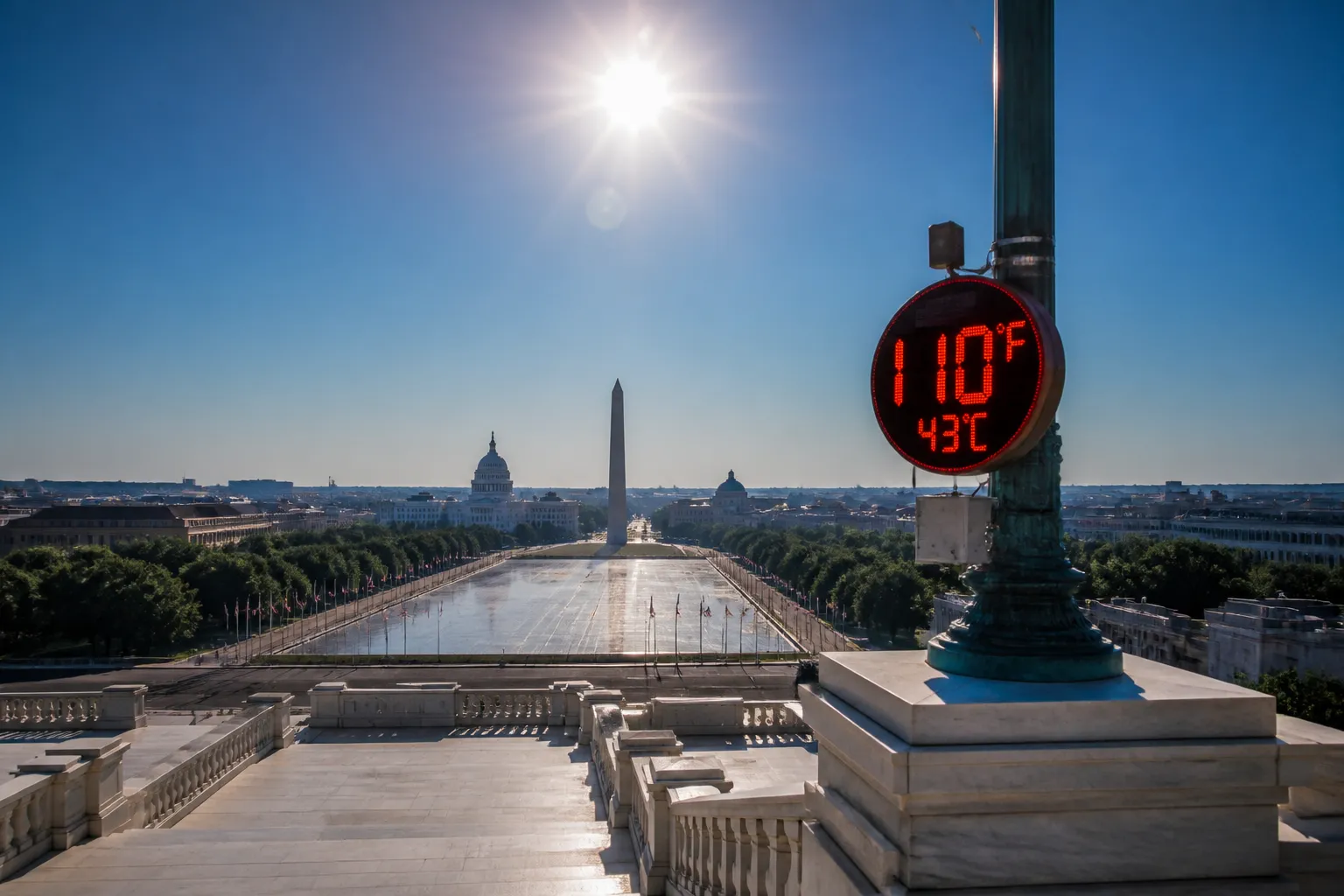
The National Independence Day Parade, a centerpiece of Washington, D.C.’s July 4th celebrations, was called off on the evening of July 3, 2026. Organizers announced the cancellation after the National Weather Service issued an Extreme Heat Warning for the District, predicting heat‑index temperatures between 110 °F and 115 °F—levels that would render an outdoor event unsafe for participants, spectators and staff.
Todd Marcocci, president of Under the Sun Productions Inc., the company that produces the parade, said the decision came after “extensive and careful consideration of the safety of our participants, spectators, and staff as the top priority.” The statement was posted on the parade’s website and across the organizers’ social‑media channels.
The parade has been a fixture of the national holiday since 1970, a joint effort of Music Celebrations International and the National Park Service. Each year the route—opening at 10:30 a.m. on Constitution Avenue along the National Mall—has drawn military units, foreign expatriate groups, high‑school and college contingents, and cultural organizations from across the country. 2020 and 2021 saw the event cancelled because of the COVID‑19 pandemic; 2026 marks the first cancellation due to weather.
The heat wave that prompted the decision is part of a larger heat dome moving from the Midwest toward the East Coast. The National Weather Service reports that the dome has intensified over the past week and is expected to linger for several days into early July. Washington’s high humidity amplifies the heat index, making the perceived temperature far higher than the actual air temperature.
Emergency services in the District have reported a surge in calls for heat‑related illnesses. The Washington, D.C., Fire Department and the Department of Health have issued advisories urging residents to stay hydrated, seek shade, and avoid outdoor exertion during peak heat hours. The heat wave has also strained the region’s power grid, prompting utility companies to warn of potential outages.
The cancellation follows a pattern of disruptions across the Eastern United States. Baltimore, Philadelphia and New York have postponed or scaled back July 4 celebrations. The National Weather Service’s extreme heat warning covers a broad area that includes parts of Maryland, Virginia and the Carolinas, affecting an estimated 90 million people.
The National Mall, the venue that hosts the parade, is a major public space that attracts millions of visitors each year. The National Park Service, which manages the Mall, issued a statement acknowledging the cancellation and encouraging visitors to explore indoor attractions such as museums and galleries.
Organizers have not yet released a schedule for a possible rescheduling of the parade or alternative events. The decision is expected to have economic implications for vendors, performers and local businesses that rely on the event for revenue.
As of the latest reports, the heat dome remains in place and the National Weather Service continues to monitor conditions. The Washington, D.C., government has not announced any changes to the status of other Independence Day activities, such as fireworks or community festivals.
The cancellation underscores the growing impact of extreme weather events on public gatherings. Officials and event organizers are increasingly weighing health risks against tradition when planning large‑scale celebrations.
The National Independence Day Parade will remain cancelled for July 4, 2026, with no confirmed date for a future parade. The District’s public safety agencies continue to advise residents to take precautions against heat exposure.
The event’s cancellation is part of a broader trend of weather‑related disruptions across the United States, as heat waves become more frequent and intense in the context of climate change.
The National Independence Day Parade, a centerpiece of Washington, D.C.’s July 4th celebrations, was called off on the evening of July 3, 2026. Organizers announced the cancellation after the National Weather Service issued an Extreme Heat Warning for the District, predicting heat‑index temperatures between 110 °F and 115 °F—levels that would render an outdoor event unsafe for participants, spectators and staff.
Todd Marcocci, president of Under the Sun Productions Inc., the company that produces the parade, said the decision came after “extensive and careful consideration of the safety of our participants, spectators, and staff as the top priority.” The statement was posted on the parade’s website and across the organizers’ social‑media channels.
The parade has been a fixture of the national holiday since 1970, a joint effort of Music Celebrations International and the National Park Service. Each year the route—opening at 10:30 a.m. on Constitution Avenue along the National Mall—has drawn military units, foreign expatriate groups, high‑school and college contingents, and cultural organizations from across the country. 2020 and 2021 saw the event cancelled because of the COVID‑19 pandemic; 2026 marks the first cancellation due to weather.
The heat wave that prompted the decision is part of a larger heat dome moving from the Midwest toward the East Coast. The National Weather Service reports that the dome has intensified over the past week and is expected to linger for several days into early July. Washington’s high humidity amplifies the heat index, making the perceived temperature far higher than the actual air temperature.
Emergency services in the District have reported a surge in calls for heat‑related illnesses. The Washington, D.C., Fire Department and the Department of Health have issued advisories urging residents to stay hydrated, seek shade, and avoid outdoor exertion during peak heat hours. The heat wave has also strained the region’s power grid, prompting utility companies to warn of potential outages.
The cancellation follows a pattern of disruptions across the Eastern United States. Baltimore, Philadelphia and New York have postponed or scaled back July 4 celebrations. The National Weather Service’s extreme heat warning covers a broad area that includes parts of Maryland, Virginia and the Carolinas, affecting an estimated 90 million people.
The National Mall, the venue that hosts the parade, is a major public space that attracts millions of visitors each year. The National Park Service, which manages the Mall, issued a statement acknowledging the cancellation and encouraging visitors to explore indoor attractions such as museums and galleries.
Organizers have not yet released a schedule for a possible rescheduling of the parade or alternative events. The decision is expected to have economic implications for vendors, performers and local businesses that rely on the event for revenue.
As of the latest reports, the heat dome remains in place and the National Weather Service continues to monitor conditions. The Washington, D.C., government has not announced any changes to the status of other Independence Day activities, such as fireworks or community festivals.
The cancellation underscores the growing impact of extreme weather events on public gatherings. Officials and event organizers are increasingly weighing health risks against tradition when planning large‑scale celebrations.
The National Independence Day Parade will remain cancelled for July 4, 2026, with no confirmed date for a future parade. The District’s public safety agencies continue to advise residents to take precautions against heat exposure.
The event’s cancellation is part of a broader trend of weather‑related disruptions across the United States, as heat waves become more frequent and intense in the context of climate change.