Blab News
Barcelonas Team Time Trial Opens 2026 Tour de France Amid Rising Heatwave and Wildfire Threats
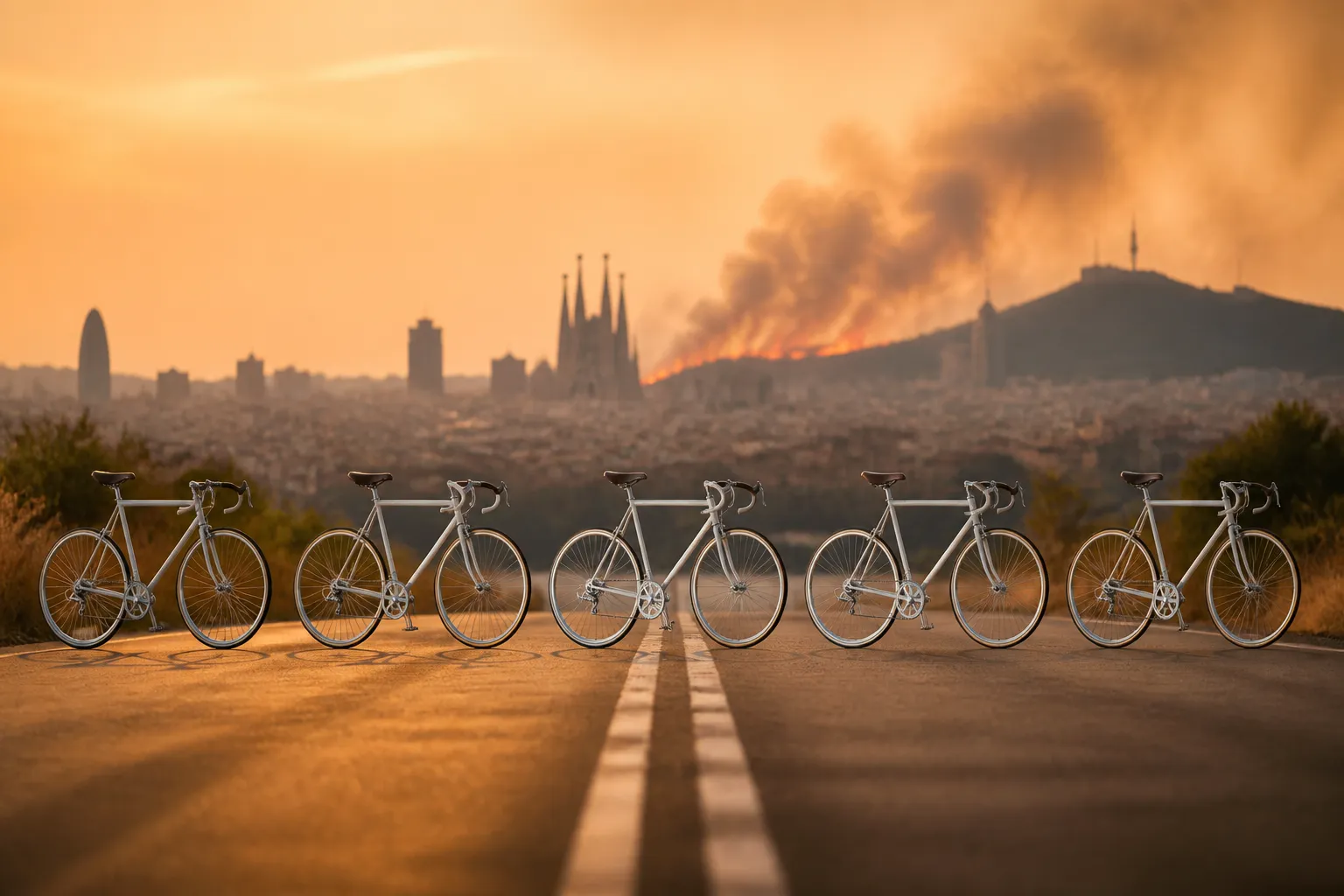
Stage 1 of the 2026 Tour de France ended under warm, dry skies in Barcelona, where 19.6‑kilometre teams raced from the Fòrum to the Estadi Olímpic Lluís Companys. The opening stage, the first team time trial in Tour history since 1971, saw crews deploy cooling tactics as temperatures climbed toward the mid‑70s Fahrenheit (mid‑20s Celsius). Riders and support staff scattered misting fans, chilled towels, and strategically placed water bottles to blunt the heat.
The 113th edition of the race began on July 4, 2026, and will span 21 stages over 23 days. Stage 1 was a flat course punctuated by a brief 200‑metre climb near the finish. Although the time trial records each rider’s individual time, the team’s result depends on the fourth rider to cross the line, a rule that encourages cohesion and drafting. The novelty of a team time trial as the opening stage has attracted attention from fans and analysts alike, as it sets the tone for the general classification from the outset.
However, the race’s early success is tempered by a worsening heatwave that has swept across southern Europe. According to Météo France, the Occitanie region experienced a heatwave from June 19 to 28, with several departments placed under orange or red alerts. The red alert, the highest level, indicates temperatures that can reach 40 °C (104 °F) and a high risk of heat‑related illness. The same agency issued a code‑red heat warning for the Pyrénées‑Orientales department, which lies along the route of stages 3 and 4. In addition, the French government has reported active wildfires in the southern part of the country, raising concerns about air quality and safety for riders, support crews, and spectators.
The race organisers, the Amaury Sport Organisation (ASO), have confirmed that they are monitoring weather forecasts and wildfire activity closely. While no official statement has announced a change to the route or schedule, the organisers have indicated that they will consult with local authorities and the Union Cycliste Internationale (UCI) to assess risks. The UCI’s safety guidelines for Grand Tours include provisions for extreme weather, and teams are required to submit medical and safety plans that cover heat‑related incidents.
The potential impact on stages 3 and 4 is significant. Those stages will traverse the Pyrenees‑Orientales and Occitanie departments, regions that have already been affected by the heatwave and wildfire activity. Riders who have already endured the heat of Stage 1 may face additional physiological stress as they approach the mountainous terrain. The risk of heat exhaustion, dehydration, and heat stroke is elevated, and the presence of smoke from nearby fires could impair visibility and breathing.
In the broader context, the 2026 heatwave has broken temperature records in several European countries, including Belgium, France, Germany, Ireland, Italy, the Netherlands, Spain, and the United Kingdom. The heatwave has strained healthcare systems, with increased emergency department visits for heat‑related conditions. The Tour’s schedule, which runs through July, coincides with the peak of the heatwave, making the safety of participants a priority for organisers and local authorities.
As the race moves into the second week, the ASO will likely issue updated guidance on hydration, rest periods, and medical support. Teams have already begun to adjust their strategies, with some riders opting for lighter gear and others planning additional cooling measures. The race’s official website and the ASO’s social media channels will provide real‑time updates on any changes to the route or stage timings.
In summary, while Stage 1 of the 2026 Tour de France concluded successfully in Barcelona, the escalating heatwave and wildfire activity in southern France pose a serious risk to the race’s upcoming stages. Organisers, teams, and local authorities are working together to monitor conditions and ensure rider safety. The situation remains fluid, and further adjustments may be made as the race progresses through the Pyrenees‑Orientales and Occitanie regions.
The 113th edition of the race began on July 4, 2026, and will span 21 stages over 23 days. Stage 1 was a flat course punctuated by a brief 200‑metre climb near the finish. Although the time trial records each rider’s individual time, the team’s result depends on the fourth rider to cross the line, a rule that encourages cohesion and drafting. The novelty of a team time trial as the opening stage has attracted attention from fans and analysts alike, as it sets the tone for the general classification from the outset.
However, the race’s early success is tempered by a worsening heatwave that has swept across southern Europe. According to Météo France, the Occitanie region experienced a heatwave from June 19 to 28, with several departments placed under orange or red alerts. The red alert, the highest level, indicates temperatures that can reach 40 °C (104 °F) and a high risk of heat‑related illness. The same agency issued a code‑red heat warning for the Pyrénées‑Orientales department, which lies along the route of stages 3 and 4. In addition, the French government has reported active wildfires in the southern part of the country, raising concerns about air quality and safety for riders, support crews, and spectators.
The race organisers, the Amaury Sport Organisation (ASO), have confirmed that they are monitoring weather forecasts and wildfire activity closely. While no official statement has announced a change to the route or schedule, the organisers have indicated that they will consult with local authorities and the Union Cycliste Internationale (UCI) to assess risks. The UCI’s safety guidelines for Grand Tours include provisions for extreme weather, and teams are required to submit medical and safety plans that cover heat‑related incidents.
The potential impact on stages 3 and 4 is significant. Those stages will traverse the Pyrenees‑Orientales and Occitanie departments, regions that have already been affected by the heatwave and wildfire activity. Riders who have already endured the heat of Stage 1 may face additional physiological stress as they approach the mountainous terrain. The risk of heat exhaustion, dehydration, and heat stroke is elevated, and the presence of smoke from nearby fires could impair visibility and breathing.
In the broader context, the 2026 heatwave has broken temperature records in several European countries, including Belgium, France, Germany, Ireland, Italy, the Netherlands, Spain, and the United Kingdom. The heatwave has strained healthcare systems, with increased emergency department visits for heat‑related conditions. The Tour’s schedule, which runs through July, coincides with the peak of the heatwave, making the safety of participants a priority for organisers and local authorities.
As the race moves into the second week, the ASO will likely issue updated guidance on hydration, rest periods, and medical support. Teams have already begun to adjust their strategies, with some riders opting for lighter gear and others planning additional cooling measures. The race’s official website and the ASO’s social media channels will provide real‑time updates on any changes to the route or stage timings.
In summary, while Stage 1 of the 2026 Tour de France concluded successfully in Barcelona, the escalating heatwave and wildfire activity in southern France pose a serious risk to the race’s upcoming stages. Organisers, teams, and local authorities are working together to monitor conditions and ensure rider safety. The situation remains fluid, and further adjustments may be made as the race progresses through the Pyrenees‑Orientales and Occitanie regions.